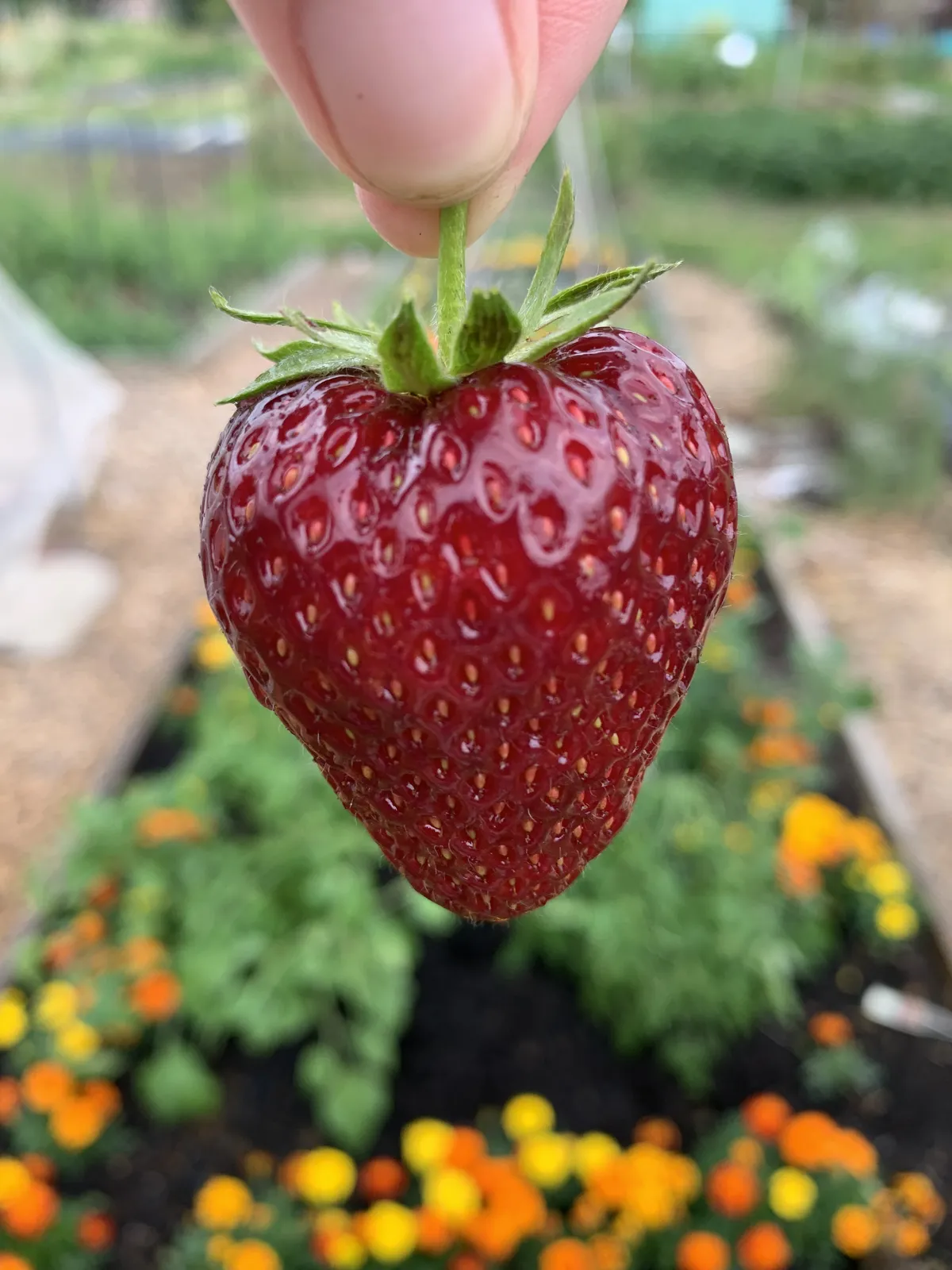
Growing fruit on your allotment
Plant once, harvest for years. Fruit bushes and canes are the best long-term investment on any allotment — and most of them practically look after themselves.
Why every allotment should have fruit
Vegetables are rewarding, but fruit is where the real return on effort comes. A raspberry cane you plant this winter will still be producing fruit in 2040. A blackcurrant bush will outlast your tenancy. And the taste of fruit picked ripe and eaten within minutes is in a completely different league to anything from a supermarket.
Most allotment fruit is “soft fruit” — strawberries, raspberries, currants, gooseberries. These are all hardy, all suited to UK conditions, and most will produce a useful crop within a year or two of planting.
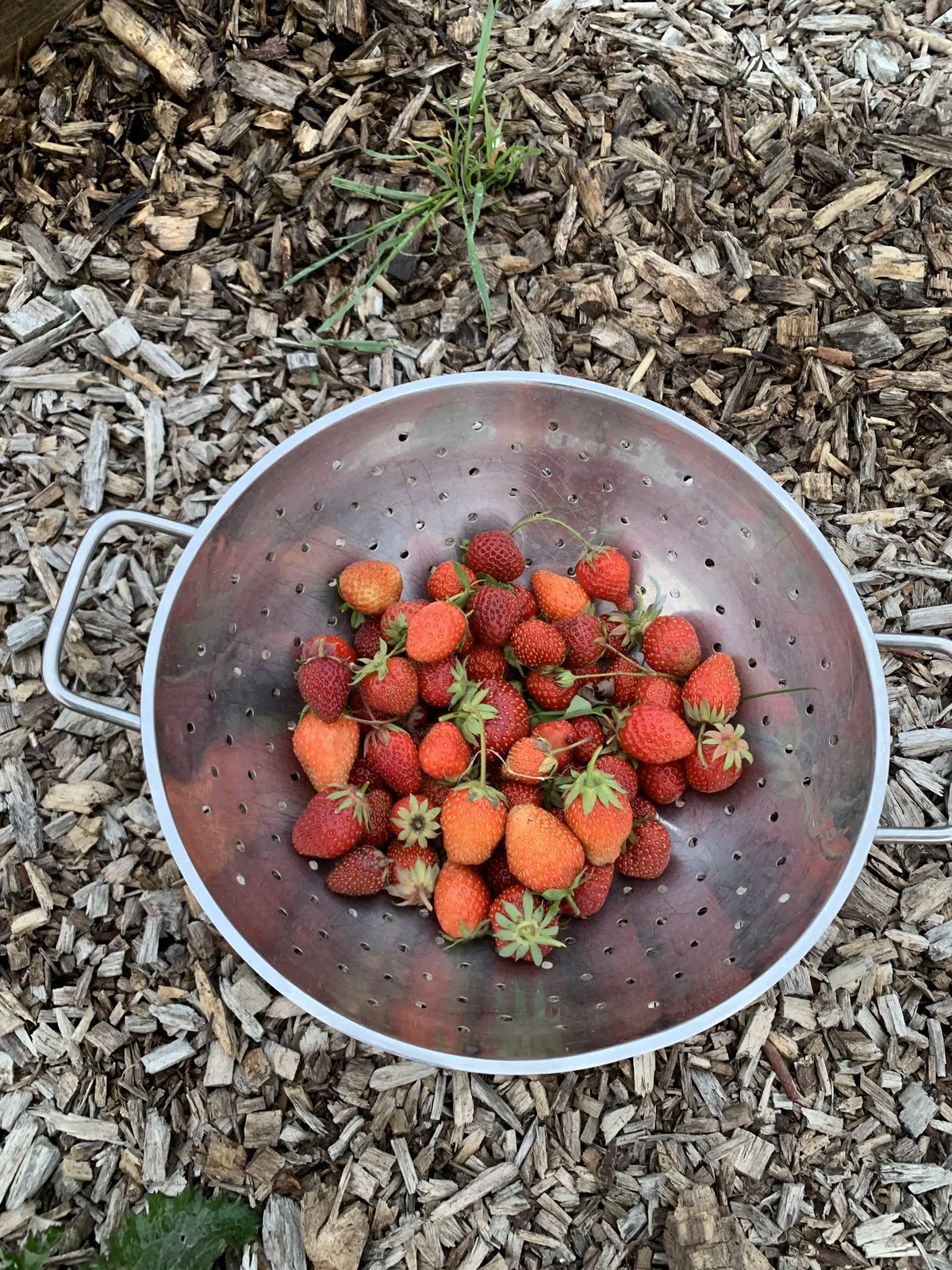
Strawberries
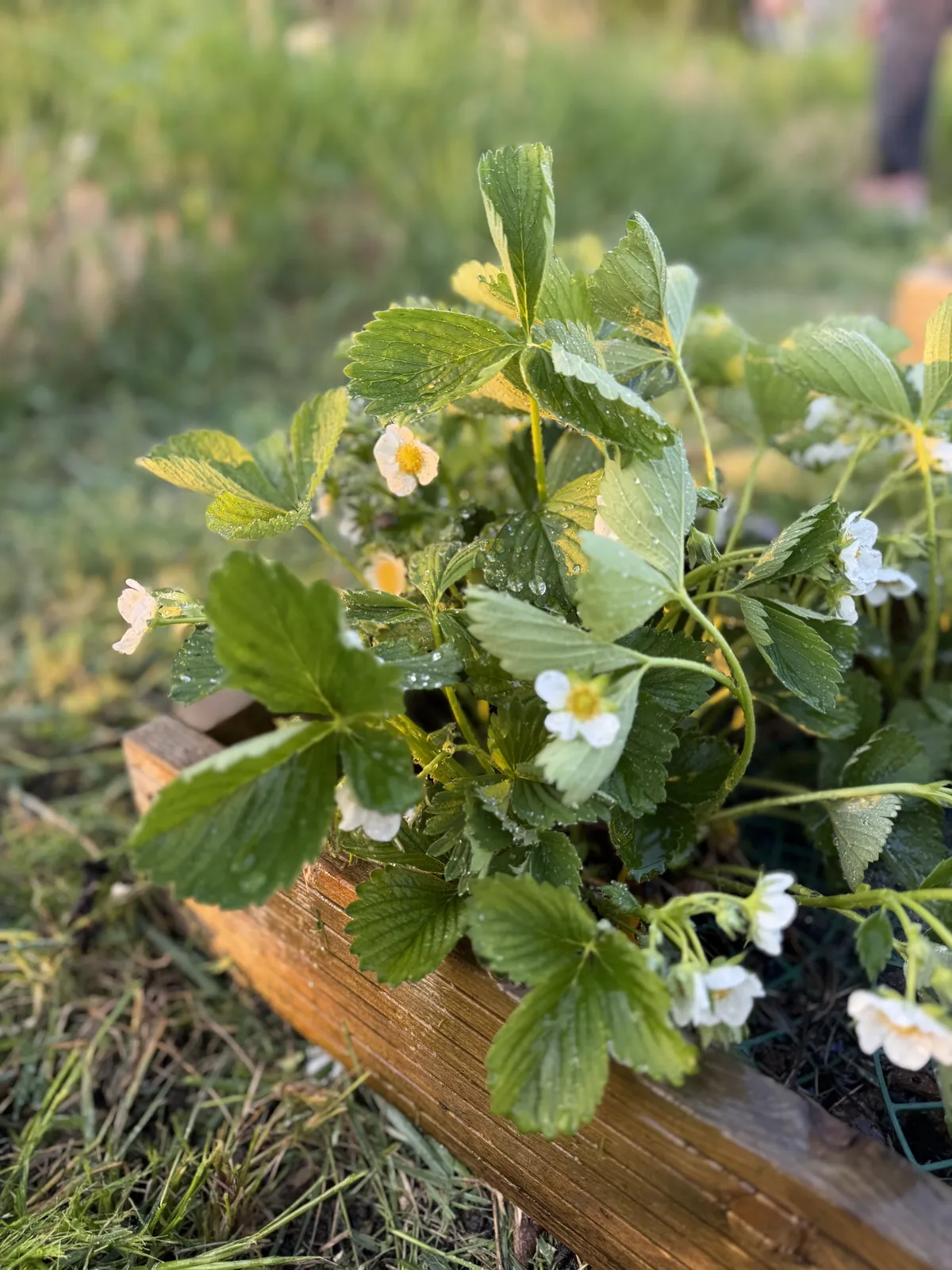
The quickest fruit to get started with. Plant runners in spring and you will be picking strawberries by June. They work in raised beds, pots, hanging baskets, or straight in the ground. A bed of 20 plants will keep you in strawberries all summer.
When to plant:Spring (March–April) or late summer (August–September). Spring-planted runners fruit the same year. Late-summer planting gives a bigger crop the following year.
What to expect:Fruit from June to September depending on variety. Each plant produces around 200–400g of fruit. Replace plants every 3 years as yields decline.
Key tip: Net them. Birds will eat every ripe strawberry before you get to it. Straw mulch underneath keeps fruit clean and stops grey mould.
If you want strawberries from June right through to October, grow an everbearing variety like Flamenco or Malling Allure alongside your standard June bearers. You get a longer season from the same space.
Raspberries
The best value fruit you can grow. A row of ten canes costs under £20 bare-root and will produce 10–15kg of raspberries every year for a decade. Fresh raspberries from the garden are absurdly good — soft, fragrant, and nothing like the crunchy, flavourless things in supermarket punnets.
There are two types and understanding the difference is crucial:
- Summer-fruiting (Glen Ample, Tulameen) — fruit on last year's canes in June–July. Prune out fruited canes after harvest, tie in new ones.
- Autumn-fruiting (Autumn Bliss, Polka) — fruit on this year's canes in August–October. Cut everything to the ground in February. Dead simple.
When to plant: November to March (bare root) or any time (container grown). Space 40cm apart in rows with posts and wires for support.
Blackcurrants
Packed with vitamin C — more than any other commonly grown fruit. One bush produces 4–5kg of berries, enough for cordial, jam, crumbles, and freezing. They are tough, long-lived (20+ years), and uniquely suited to the UK climate.
When to plant: November to March. Plant 5cm deeper than the nursery soil line to encourage strong basal shoots.
Pruning: Remove a third of the oldest branches each winter, cutting right to the base. This keeps the bush productive with a constant supply of young, fruiting wood.
Best for small spaces: Ben Sarek is compact and heavy-cropping — ideal for allotments where space is tight.
Gooseberries
Criminally underrated. A gooseberry bush takes up about a square metre, produces 3–5kg of fruit every year, and needs barely any attention. Pick them green and tart in June for crumbles and fools, or leave them to ripen to sweet, golden dessert berries by July.
When to plant: November to March (bare root). Prune to an open goblet shape to let air circulate and reduce mildew.
Gooseberries tolerate partial shade better than most fruit, so they are useful for those awkward spots on the allotment that don't get full sun.
Redcurrants
Beautiful jewel-like berries that hang in long trusses. Redcurrants are the most shade-tolerant of all the fruit bushes — they will happily grow against a north-facing wall or fence. Train them as cordons to save space.
Mainly used for jelly, sauces, and decoration. A single bush produces more redcurrants than most families can use, so plan to freeze or process them.
Blackberries
Why grow what you can forage? Because cultivated blackberries are bigger, sweeter, and thornless. A single plant trained along a fence produces kilos of fruit in late summer. They are virtually indestructible and will grow almost anywhere.
When to plant:November to March. Give them a fence or wires to train along — they need 3–4 metres of horizontal space.
Rhubarb
Technically a vegetable, but everyone treats it as fruit. Plant a crown, do not harvest the first year, and it will reward you with decades of pink stalks every spring. Rhubarb is almost impossible to kill and needs virtually no attention.
When to plant: November to March. Plant crowns with the bud just at soil level.
Forcing: Cover a crown with an upturned bin or forcing pot in January. The stalks grow towards the light, producing tender, pale pink stems that are the sweetest of the year. Only force the same crown every other year.
Pull, do not cut. Grip the stalk at the base and twist gently while pulling. Cutting leaves a stump that can rot. And always stop harvesting by the end of June — the plant needs the rest of summer to build energy for next year.
When to plant fruit in the UK
| Fruit | Best planting time | First harvest |
|---|---|---|
| Strawberries | Mar–Apr or Aug–Sep | Same year (spring planting) |
| Raspberries | Nov–Mar (bare root) | Year 1 (autumn) / Year 2 (summer) |
| Blackcurrants | Nov–Mar (bare root) | Year 2 (small), Year 3 (full) |
| Gooseberries | Nov–Mar (bare root) | Year 2 (small), Year 3 (full) |
| Redcurrants | Nov–Mar (bare root) | Year 2 (small), Year 3 (full) |
| Blackberries | Nov–Mar (bare root) | Year 2 |
| Rhubarb | Nov–Mar (crowns) | Year 2 (don't harvest year 1) |
Frequently asked questions
What is the easiest fruit to grow in the UK?
Strawberries and rhubarb. Strawberries produce fruit within months of planting. Rhubarb is virtually indestructible once established. Autumn-fruiting raspberries are also very easy — just cut everything down in February and they grow back and fruit the same year.
When should I plant fruit bushes in the UK?
Most fruit bushes and canes are best planted between November and March while dormant. Bare-root plants are cheapest and establish best when planted in winter. Strawberry runners are best planted in spring or late summer.
Can I grow fruit in pots?
Strawberries are excellent in pots and hanging baskets. Blueberries must be grown in pots of ericaceous compost unless your soil is acidic. Compact gooseberry and redcurrant varieties work in large containers (40cm+). Raspberries and blackcurrants need ground planting for best results.
How do I protect fruit from birds?
Netting is the only reliable method. Drape bird netting over a frame (not directly on the plants) from when fruit starts to colour. A permanent fruit cage is the best long-term solution if you have the space and budget.