Common pests & diseases
Every allotment has them. Slugs, aphids, blight — they come with the territory. The good news is that most problems are manageable without reaching for chemicals.
Prevention beats cure
Before we get into specific pests, the single most useful thing you can do is build an environment that's naturally resistant. Healthy plants on healthy soil shrug off problems that would flatten a stressed crop.
- Feed the soil.Compost, manure, leaf mould — strong soil grows strong plants.
- Rotate your crops. Don't grow the same family in the same spot year after year. Pests and diseases build up in the soil when you do.
- Encourage predators. Ladybirds, hoverflies, ground beetles, frogs, hedgehogs — they all eat pests. Give them habitat: log piles, long grass margins, a small pond.
- Companion plant. Marigolds, nasturtiums, and herbs can confuse or repel pests. See our companion planting guide for the full list.
The big hitters
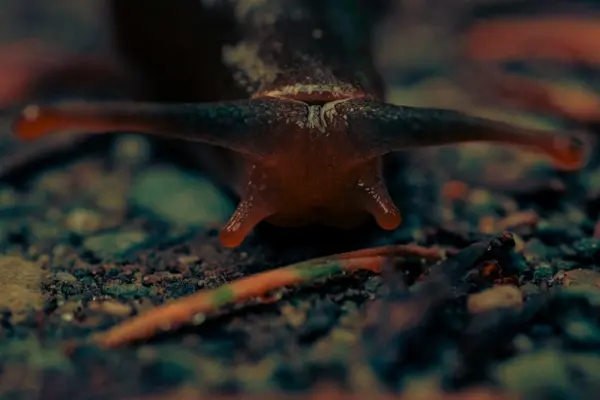
Slugs & snails
Major threatThe number one pest on UK allotments, bar none. They work at night, love wet weather, and can demolish a row of lettuce seedlings in a single evening. Brassica seedlings, lettuce, beans, and hostas are their favourites — anything young and tender.
What works
- Evening patrols.Go out after dark with a torch. Pick them off and relocate them (or don't — your call). Easily the most effective method.
- Beer traps.Sink a container into the soil so the rim is at ground level. Fill with cheap beer. They're attracted to the yeast and drown. Empty and refill every few days.
- Nematodes. Biological control (Nemaslug). Water onto warm, moist soil in spring and autumn. Very effective for underground slugs that you never see.
- Wool pellets. Create a scratchy barrier around plants. They also add nutrients as they break down.
- Copper tape. Around raised beds and pots. Gives slugs a mild electric shock on contact.
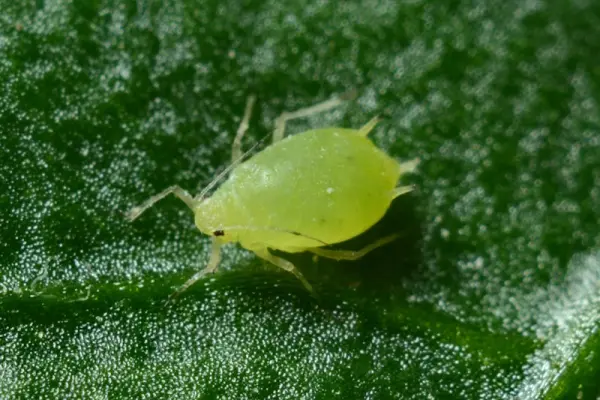
Aphids (greenfly & blackfly)
CommonTiny sap-sucking insects that cluster on soft new growth. Greenfly go for almost anything. Blackfly are notorious on broad beans — they mass on the growing tips from late spring onward. Heavy infestations weaken plants and can spread viruses.
What works
- Pinch out broad bean tips. Once the lowest pods are setting, nip out the top 5cm of each plant. That's where blackfly congregate. Bonus: it redirects energy to the pods.
- Encourage ladybirds. A single ladybird can eat 50 aphids a day. Leave some rough areas, dead stems, and log piles for overwintering habitat.
- Companion plant. Nasturtiums attract aphids away from your crops (a trap crop). Marigolds repel them. Both are worth growing nearby.
- Blast with water.A strong jet from a hose knocks aphids off and most don't climb back.
Carrot fly
CommonA low-flying pest that's attracted to the scent of carrot foliage — especially when you thin seedlings. The larvae tunnel into roots, leaving rusty brown channels. Parsnips and celery are also targets.
What works
- 60cm barrier. Carrot fly stays below 60cm. A barrier of fine mesh or fleece around your carrot bed blocks them completely. This is the most reliable method.
- Companion plant. Grow spring onions or chives alongside carrots. The onion scent masks the carrot smell.
- Resistant varieties. Flyaway and Resistafly were bred specifically for carrot fly resistance. Not immune, but a real improvement.
- Sow thinly. Less thinning means less scent released. If you do thin, do it on a still evening and water afterward to settle the smell.
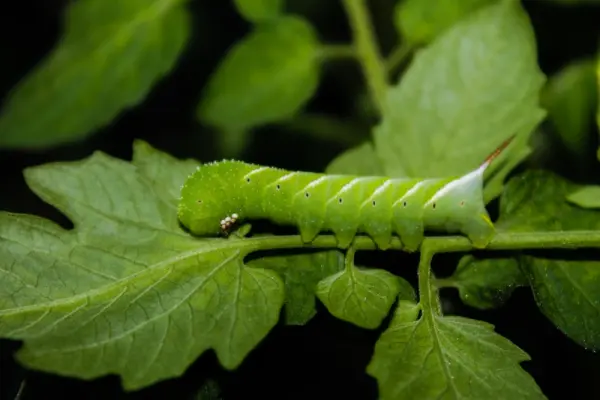
Cabbage white butterfly
CommonThe green caterpillars of the large and small cabbage white butterfly can strip brassica plants to skeletons. They lay clusters of yellow eggs on the underside of leaves from late spring through summer.
What works
- Fine mesh netting. Cover brassicas from the day you plant them out. Enviromesh or similar — keep it sealed at the edges, no gaps. This is the only truly reliable method.
- Check for eggs. Inspect the underside of leaves weekly. Squash any yellow egg clusters before they hatch.
- Nasturtiums as trap crop. Plant them nearby to lure butterflies away from your brassicas.
Blight
Major threatThe big one for tomato and potato growers. Caused by a water-mould (Phytophthora infestans) that thrives in warm, humid weather — a stretch of muggy days in July or August is classic blight weather. Brown patches appear on leaves, spreading fast. Stems develop dark lesions and fruits rot.
What works
- Resistant varieties. For tomatoes: Crimson Crush, Mountain Magic, Losetto. For potatoes: Sarpo Mira, Sarpo Axona, Carolus. Resistance is the best defence.
- Remove affected foliage fast. At the first sign, strip off and bin (not compost) any affected leaves. With potatoes, cut all the foliage to the ground and leave tubers in the soil for two weeks before harvesting.
- Improve airflow. Space plants generously. Remove lower leaves on tomatoes. Grow outdoor tomatoes against a south-facing wall where air circulates freely.
- Copper-based sprays. Bordeaux mixture is the traditional organic option, applied preventatively before blight arrives. A last resort — resistant varieties and good practice are better.
Powdery mildew
ManageableA white, powdery coating on leaves — particularly common on courgettes, squash, and cucumbers from midsummer onward. It looks alarming but plants usually keep producing. Stress, overcrowding, and dry roots with damp foliage make it worse.
What works
- Water at the roots. Keep foliage as dry as possible. Water in the morning so plants dry out during the day.
- Space plants out. Good air circulation is the best prevention. Don't crowd courgettes — they need more room than you'd think.
- Remove affected leaves. Pick off the worst leaves to slow the spread. The plant will often keep cropping regardless.
Clubroot
Major threatA soil-borne disease that causes swollen, distorted roots in brassicas — cabbages, broccoli, cauliflower, kale. Affected plants wilt on hot days even when the soil is moist. Once clubroot is in the soil, it can persist for 20 years. Prevention is everything.
What works
- Raise soil pH. Clubroot thrives in acidic soil. Lime your brassica bed in autumn to bring the pH up to 7.0–7.5.
- Start in pots. Grow brassica seedlings in modules with fresh compost, and plant out when they have a strong root system. This gives them a head start.
- Crop rotation.Don't grow brassicas in the same bed more than once every four years. See our crop rotation guide.
- Improve drainage. Waterlogged soil makes clubroot worse. Raised beds help on heavy clay sites.
Organic vs chemical
This guide is deliberately biased toward organic methods. Not because chemicals never work — they often do, in the short term — but because on an allotment, you're building a long-term ecosystem. Chemicals that kill aphids also kill ladybirds. Slug pellets with metaldehyde poison hedgehogs and birds. You solve one problem and create three more.
Organic pest control is slower. It requires patience. But after two or three years of encouraging natural predators, improving your soil, and rotating crops, you'll find the balance tips in your favour. The plot does more of the work for you.
When to accept the losses
Some damage is normal. A few holes in your cabbage leaves, the odd slug-nibbled lettuce, a courgette with mildew spots — this is not failure. This is what real food looks like. Supermarkets reject anything less than cosmetically perfect, but you don't have to.
The goal is a healthy, productive plot — not a sterile one. If you're harvesting armfuls of food and only losing a small percentage, you're winning. Sow a bit extra, share the surplus with the wildlife, and save yourself the stress of trying to control every last creature on your patch.
Pest control kit
Everything here is stuff we actually use on the plot. No gimmicks, no miracle cures — just the physical barriers and organic controls that genuinely work. Prevention beats cure every time, and most of these pay for themselves within a single season.
Slug control
Organic slug pellets (ferric phosphate)
~£6The only slug pellets worth using. Ferric phosphate breaks down harmlessly in the soil — safe for wildlife, pets, and the worms you're trying to encourage. Metaldehyde pellets kill hedgehogs and song thrushes. Don't use them.
Scatter thinly around new transplants. Reapply after heavy rain.
Copper tape
~£5Wrap it around raised beds and pots — slugs get a mild electrical reaction on contact and turn back. Works best when kept clean and bright. Not a silver bullet on its own, but a useful part of the arsenal.
View on AmazonBeer traps
~£8Sink them into the soil so the rim is at ground level, fill with cheap lager. Slugs are attracted to the yeast and drown. You'll be horrified by how many you catch on a wet night. Empty and refill every few days.
View on AmazonNetting
Butterfly netting (fine mesh)
~£10The single most effective thing you can buy for brassicas. Keeps cabbage whites out completely — no caterpillars, no holes, no drama. Make sure it's fine enough that butterflies can't squeeze through.
View on AmazonEnviromesh insect netting
~£15Finer mesh than standard butterfly netting. Blocks carrot fly, cabbage root fly, flea beetle, and most other small flying pests. More expensive but genuinely multi-purpose — one piece does the job of three different barriers.
Stops carrot fly, cabbage root fly, and flea beetle. Worth every penny — one piece lasts years.
Netting hoops
~£10You need something to hold your netting up off the plants. These simple hoops push into the soil and give the netting structure. Without them you end up with a flat sheet resting on leaves, which defeats the point.
View on AmazonBarriers
Brassica collars
~£4Flat discs that sit around the base of brassica stems, blocking cabbage root fly from laying eggs in the soil. Dead simple, surprisingly effective. You can make your own from cardboard, but these last longer.
View on AmazonCarrot fly barrier (60cm)
~£8Carrot fly is a low flyer — it rarely goes above 60cm. A barrier at that height around your carrot bed blocks them completely. Simpler than netting and you can still weed and thin without removing anything.
View on AmazonBiological controls
Nemaslug nematodes
~£15Microscopic worms that seek out and kill slugs in the soil — including the underground ones you never see. You water them on and they get to work. More targeted than pellets and no risk to other wildlife.
Apply in spring when soil is warm enough. More effective than pellets but more expensive. Best for beds you can't easily scatter pellets on.
Affiliate links— This guide contains links to Amazon. If you buy through them, we earn a small commission at no extra cost to you. We only recommend things we'd actually use on our own plot.
Pest-repelling companions that actually work.
Related guideAllotment essentialsThe full kit list for your plot.
Common questions
What is the best way to get rid of slugs on an allotment?
Use multiple methods together: evening patrols with a torch, beer traps sunk into the soil, wool pellets or copper tape around vulnerable plants, and nematodes (Nemaslug) watered onto warm, moist soil in spring and autumn. No single method solves slugs — a combination is key.
How do I stop carrot fly without chemicals?
A 60cm-tall barrier of fine mesh around your carrot bed is the most reliable method — carrot fly stays low to the ground. Companion planting with spring onions helps mask the scent. Resistant varieties like Flyaway and Resistafly offer extra protection.
What does blight look like on tomatoes?
Brown patches on leaves, often at the tips and edges, sometimes with white fuzzy growth underneath in humid conditions. It spreads fast — leaves go brown and crispy, stems develop dark lesions, and fruits get firm brown patches that rot. Remove affected growth immediately and consider blight-resistant varieties for next year.
Is organic pest control effective?
Yes, but it takes a different approach. Focus on prevention — healthy soil, crop rotation, physical barriers, and encouraging natural predators. You won't get supermarket-perfect produce, but after a few years of organic management, pest damage drops significantly as the natural balance establishes itself.
How do I stop cabbage white butterflies eating my brassicas?
Fine mesh netting (Enviromesh or similar) from the day you plant out is the only truly reliable method. Seal it at the edges — butterflies will find any gaps. Check leaf undersides weekly for yellow egg clusters and squash them before they hatch.