2024: Slugmageddon
The year before last was a bad one for slugs. Really bad. So many newly planted things got wiped out that I started thinking of it as Slugmageddon. Plug plants that had been fine on one visit were gone by the next.
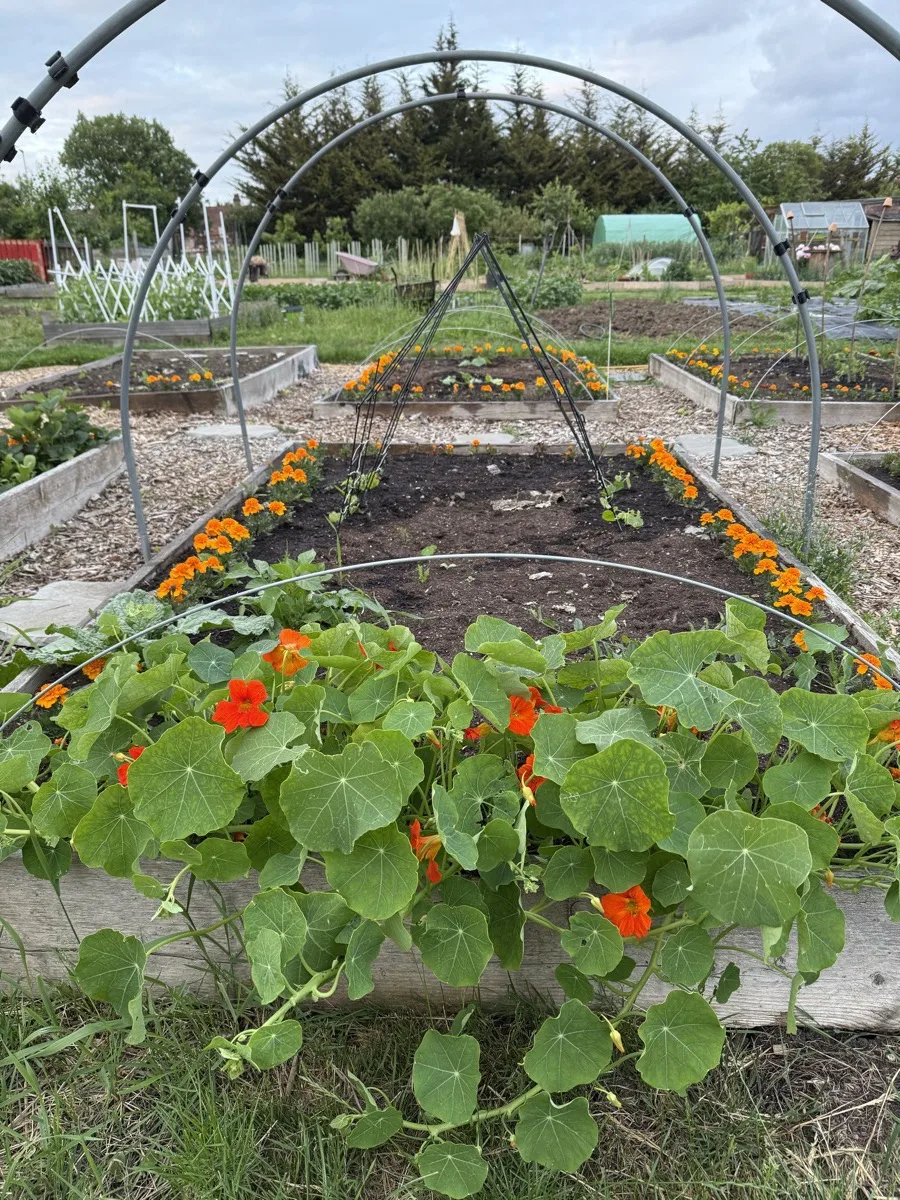
The solution I landed on was metal rods bent into mini frames over the beds, with netting draped over them. Slug pellets underneath — which the netting kept the birds from getting to — and for the most vulnerable plants, individual plastic cloches to give them a chance to establish before the slugs found them.
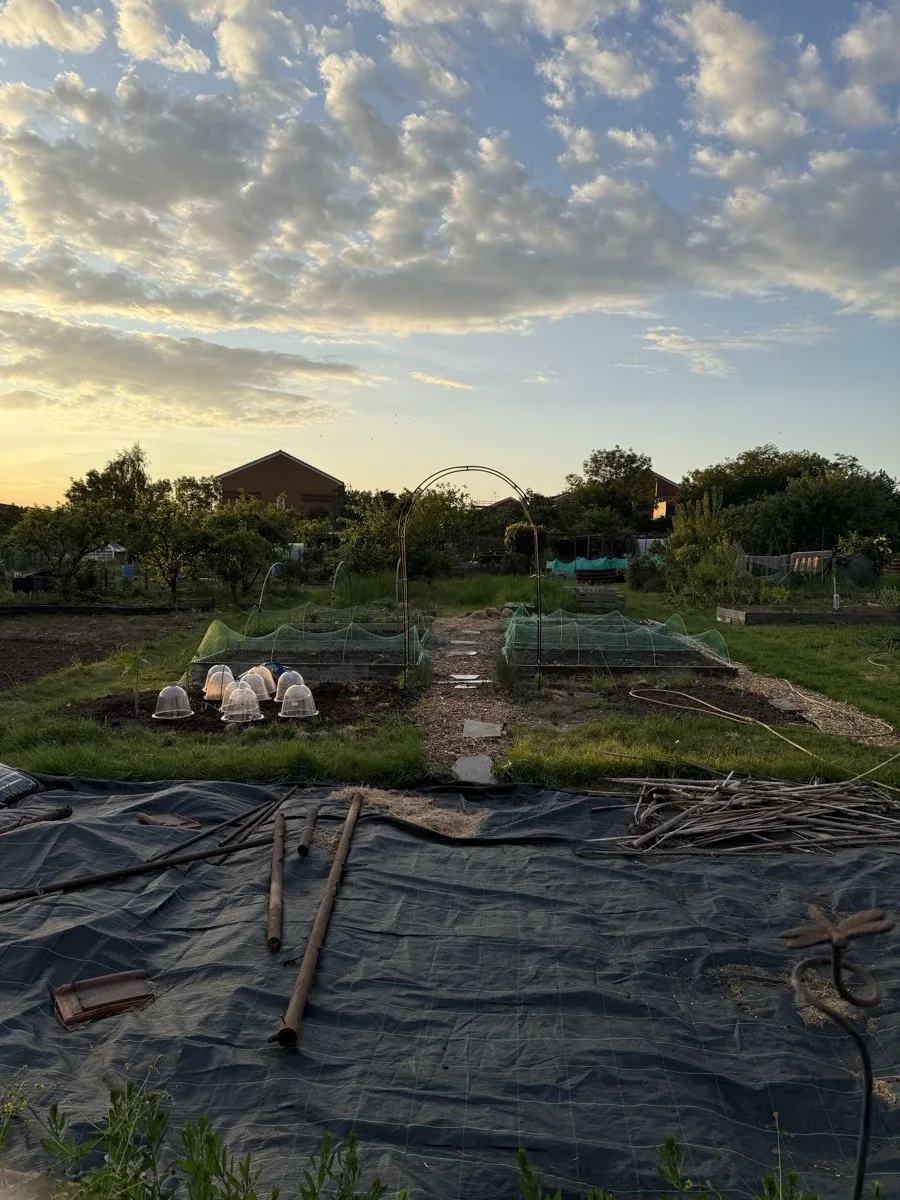
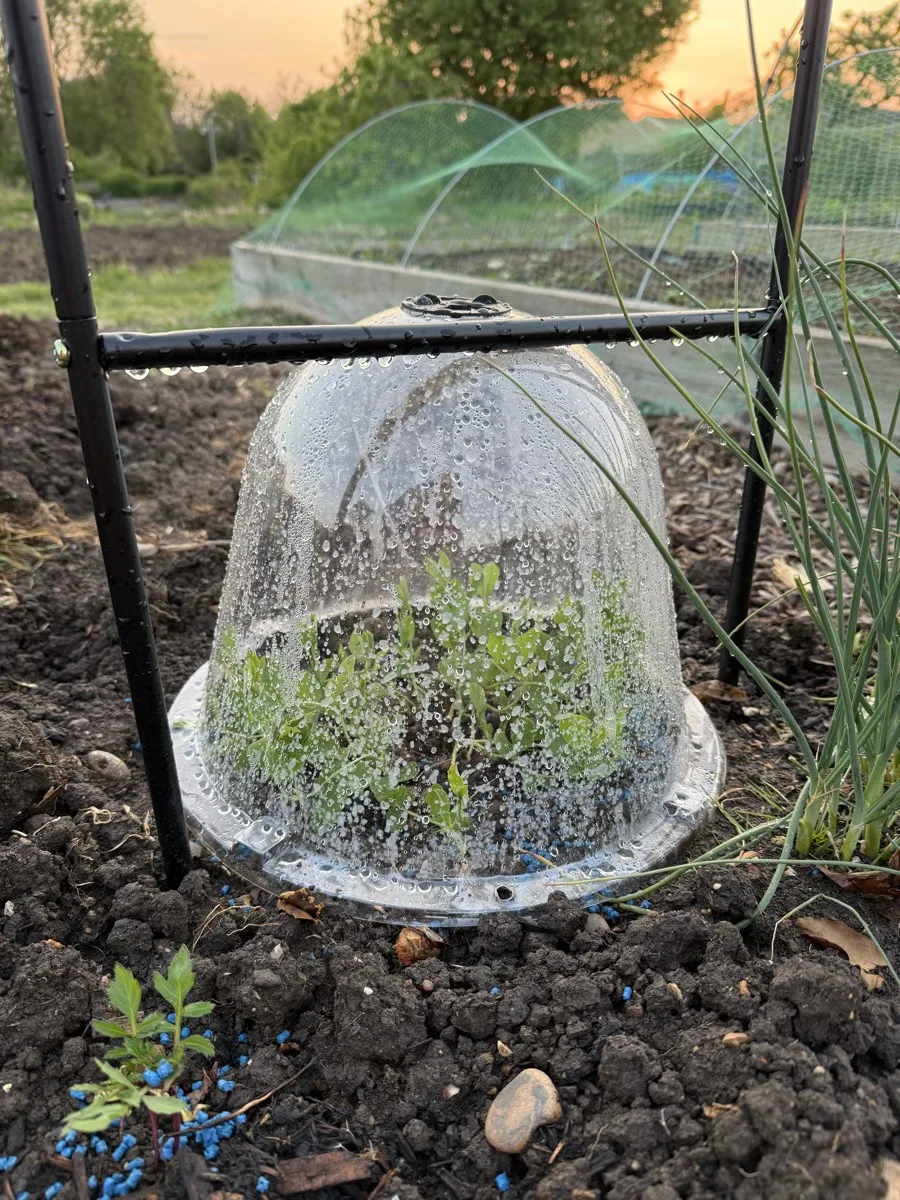
The cloches were imperfect — I could not always get to the allotment as often as I wanted to, and a closed cloche in warm weather will cook a plant just as surely as no water will. So I used them sparingly, for the first week or two after planting, then removed them once things were established enough to hold their own.
2025: The same timing, a different year
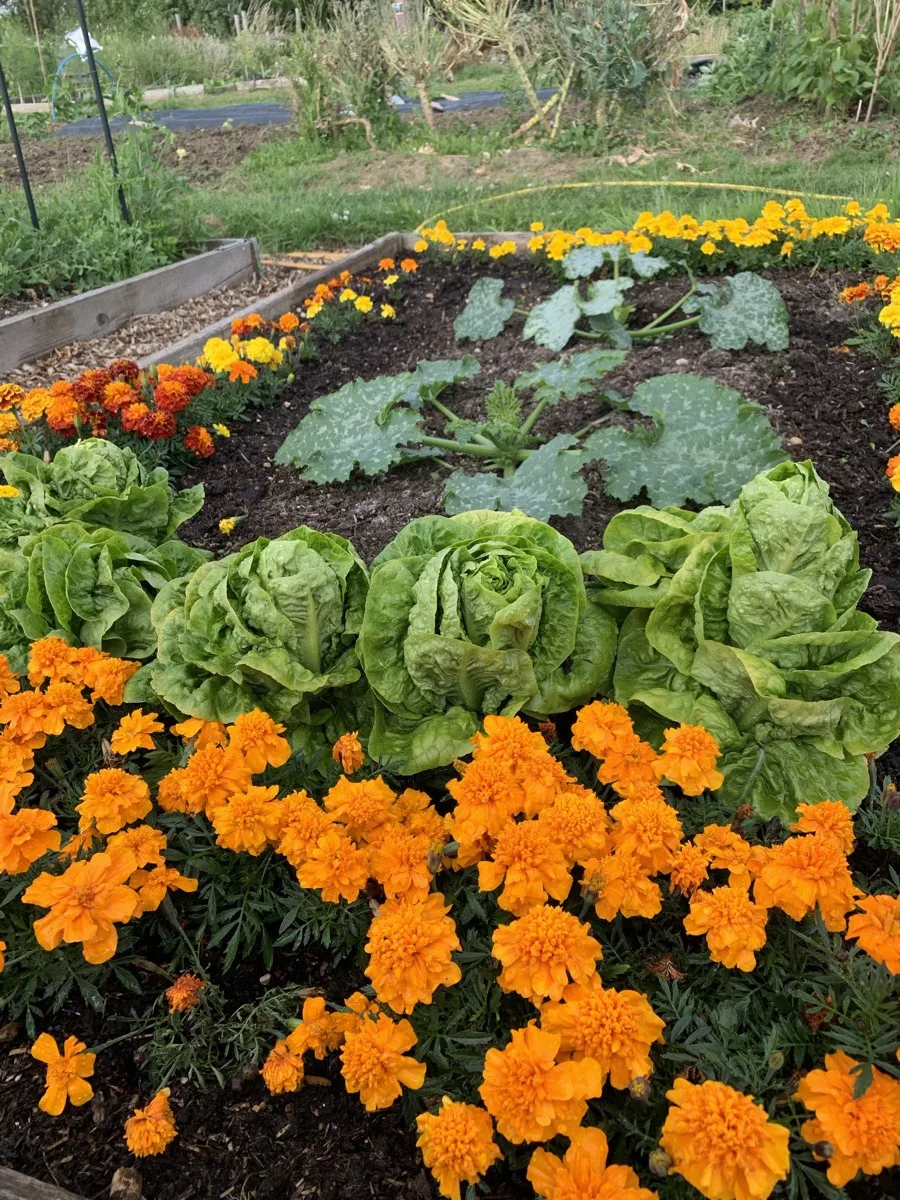
Last year I planted marigolds out in April, same as always. The netting frames went up, the slug pellets went down, and the weather that spring was ordinary — mild, some rain, nothing extreme. By summer, every bed had a dense continuous border of orange. The whole plot looked like it was on fire.
2026: What I found when I got back
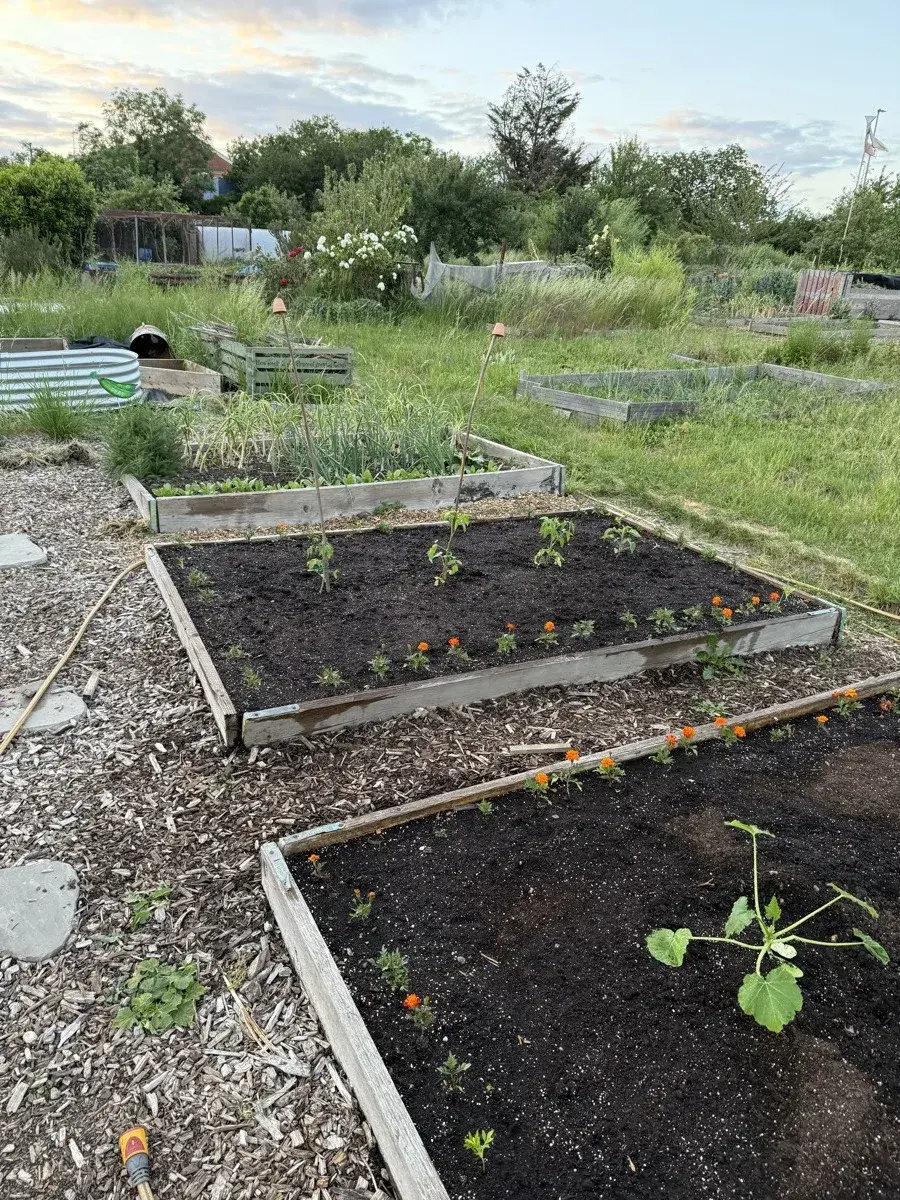
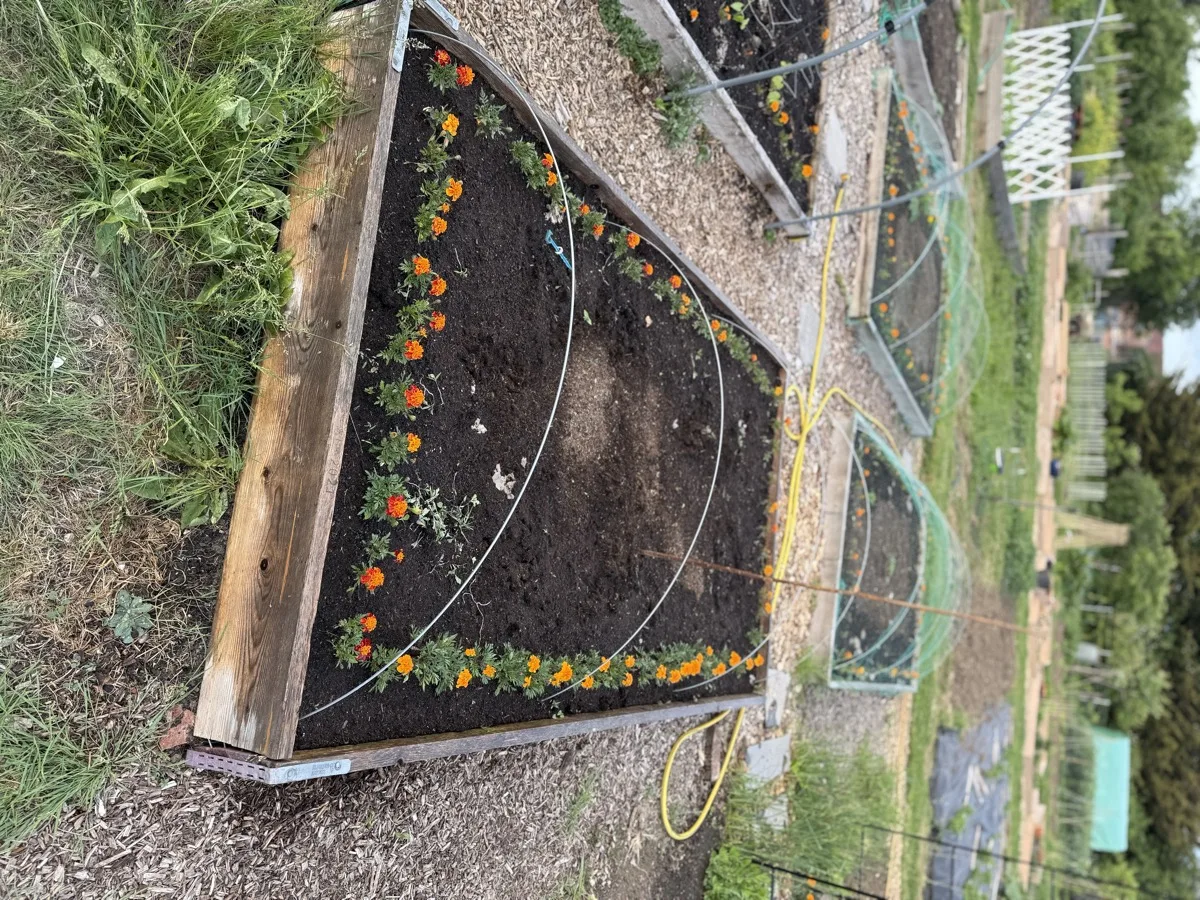
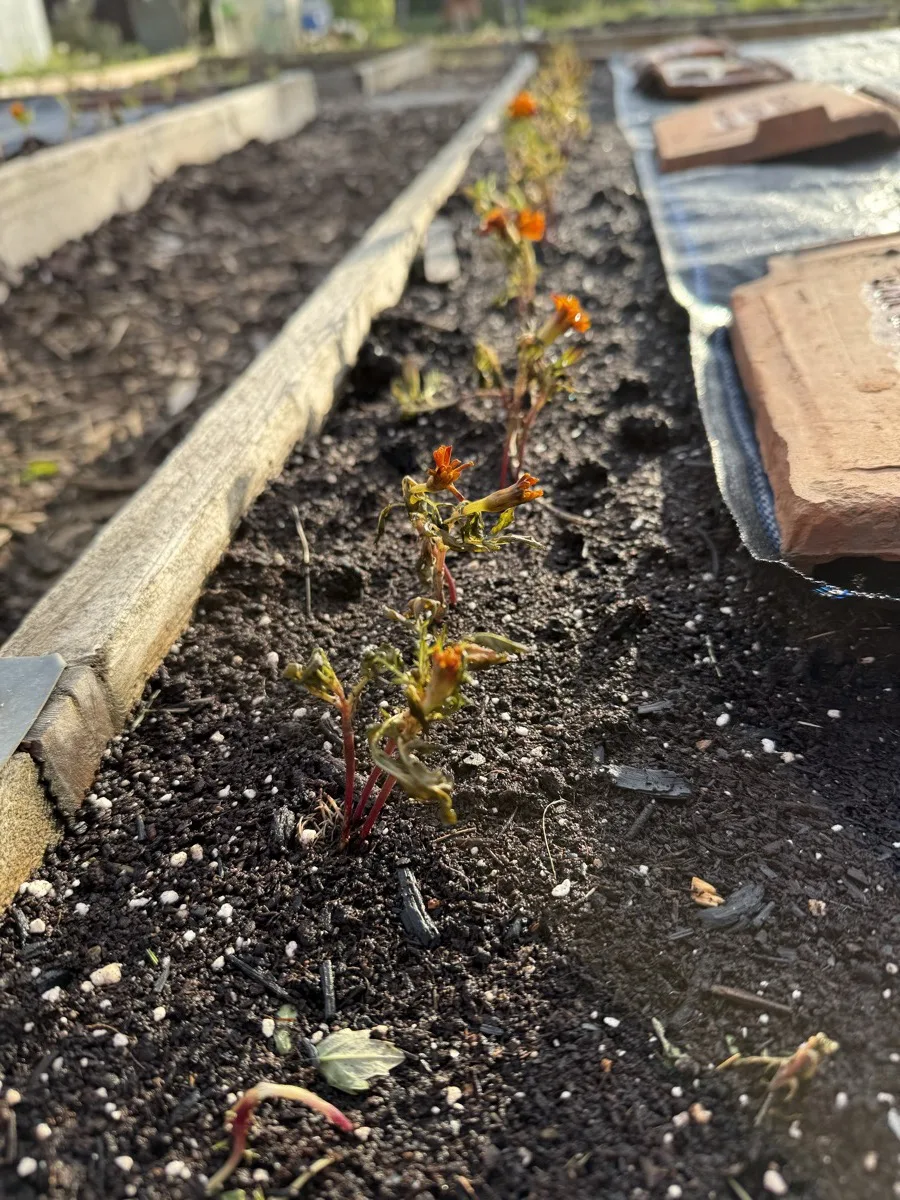
I planted marigold and yellow calendula plugs out in April, along the edges of the raised beds. Dense borders, the same as last year, when the whole thing looked brilliant by July. Two days after planting, we had a run of hot days — genuinely unusual for April. I could not get to the allotment to water. When I finally went back, every single one had gone.
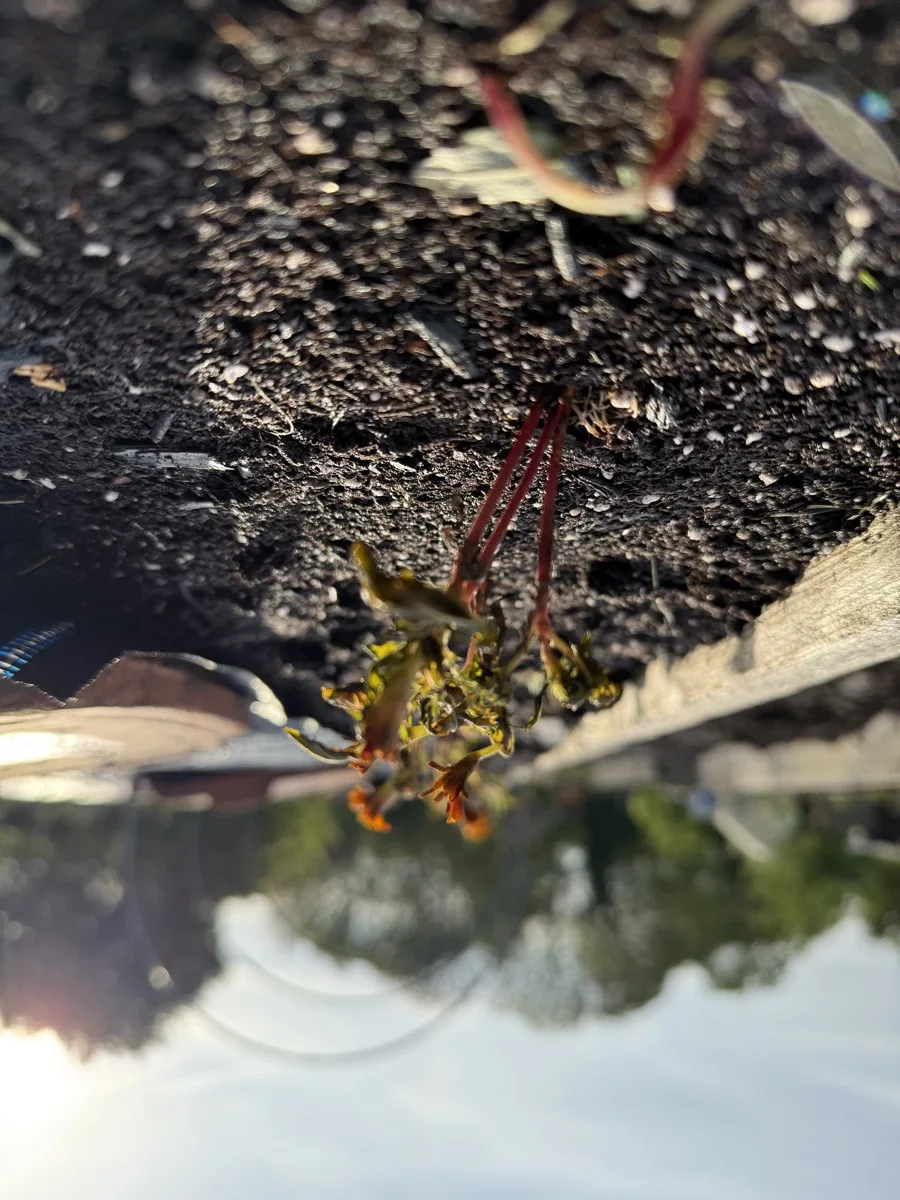
Up close, the damage was worse. The stems had gone red and brittle, the foliage had crisped up and pulled inward. Some still had a little orange colour left in the flower buds — just enough to make it sadder. I planted at almost exactly the same time last year and they thrived. But last year was a normal April. This year the heat came early and the roots, which had never been outside, simply had nothing left to draw on.
Ordering again
I pulled them all out, ordered more plugs, and waited. When they arrived, I did things differently. I watered the beds first. I planted in the evening. I watered each one in immediately after going in the ground, properly — not a sprinkle but a real soak at the base. And I checked the forecast before committing to anything.
The result is a border that is thinner than planned. I could not replace them all like-for-like and the gaps show. But they are alive, which is more than I can say for the first batch.
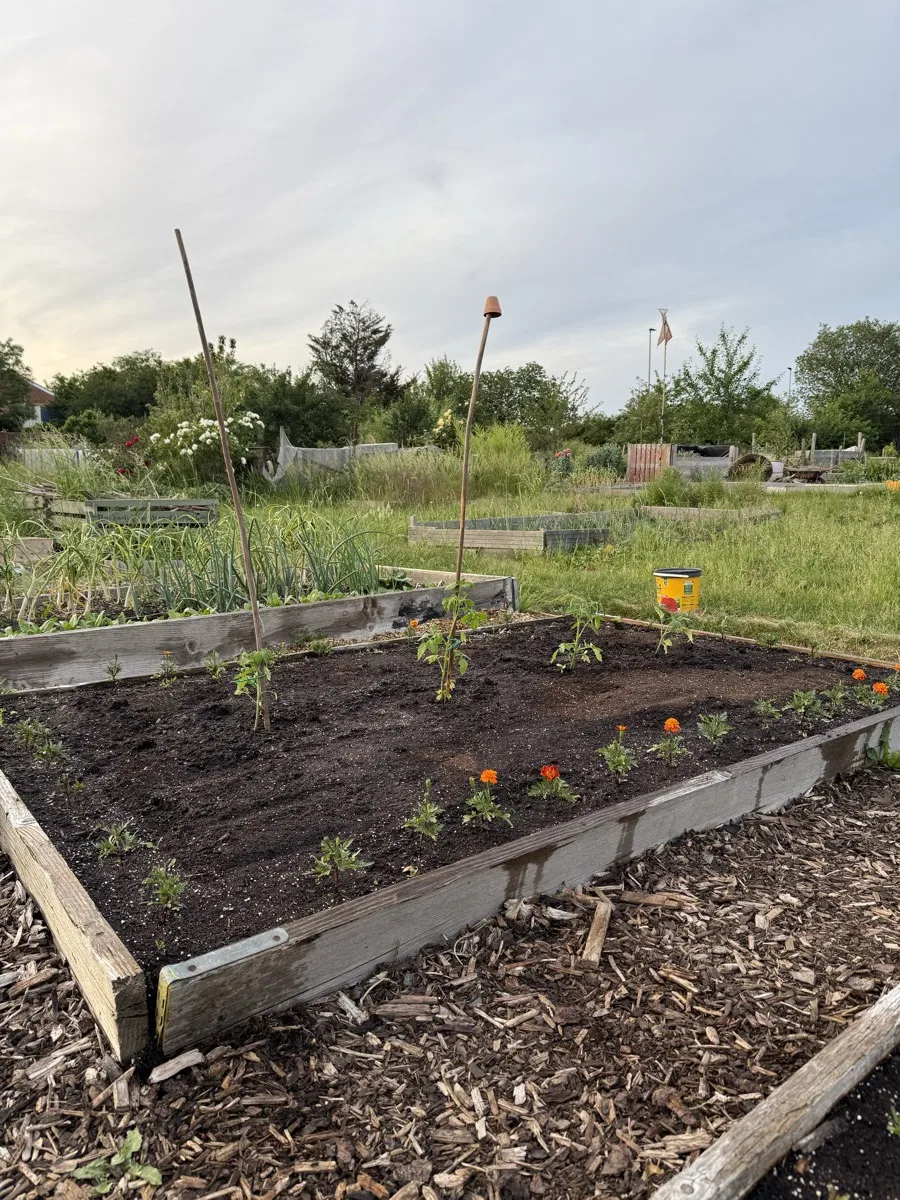
Plant plugs out in the evening, not the middle of the day. Water the bed first, plant into moist soil, water in thoroughly straight after. If it is going to be above 20°C for several days and you cannot water, wait.
Everything else that went out
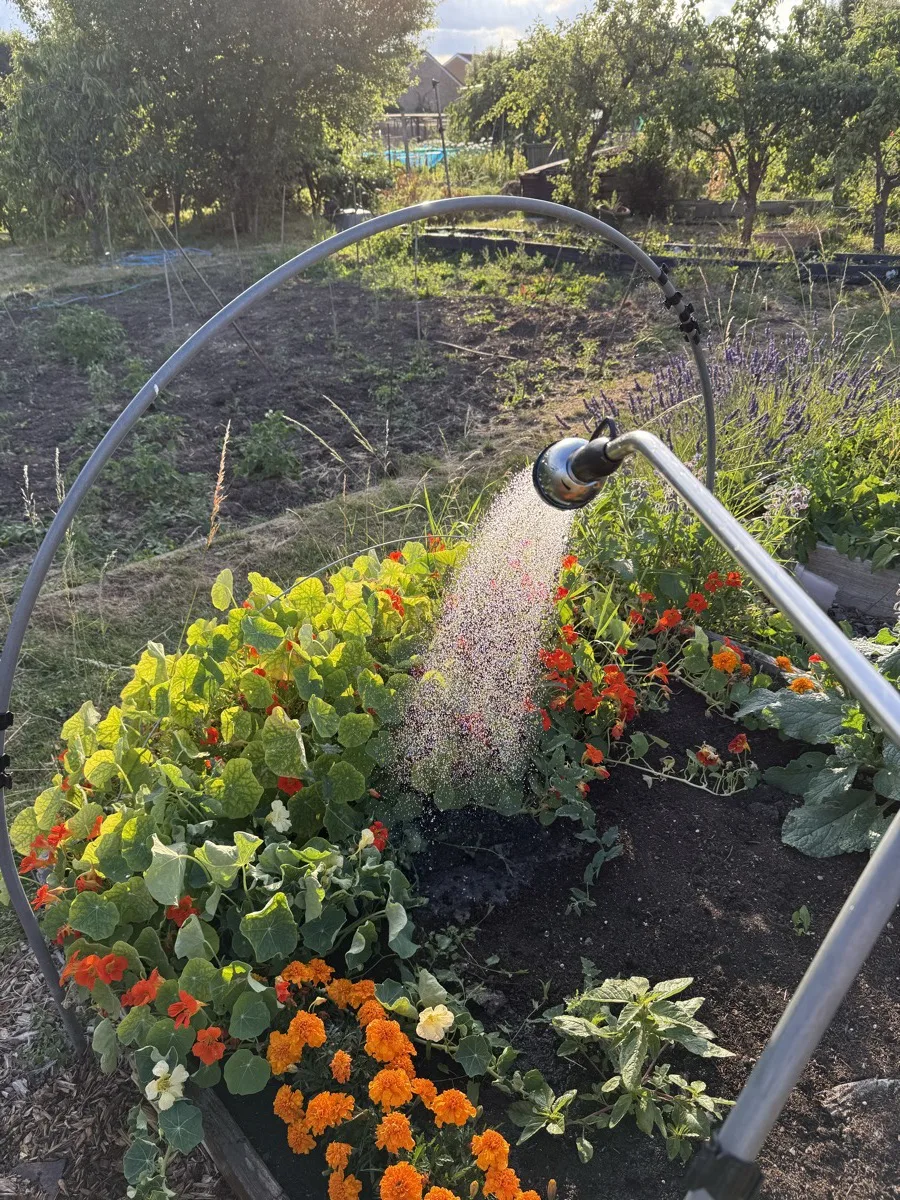
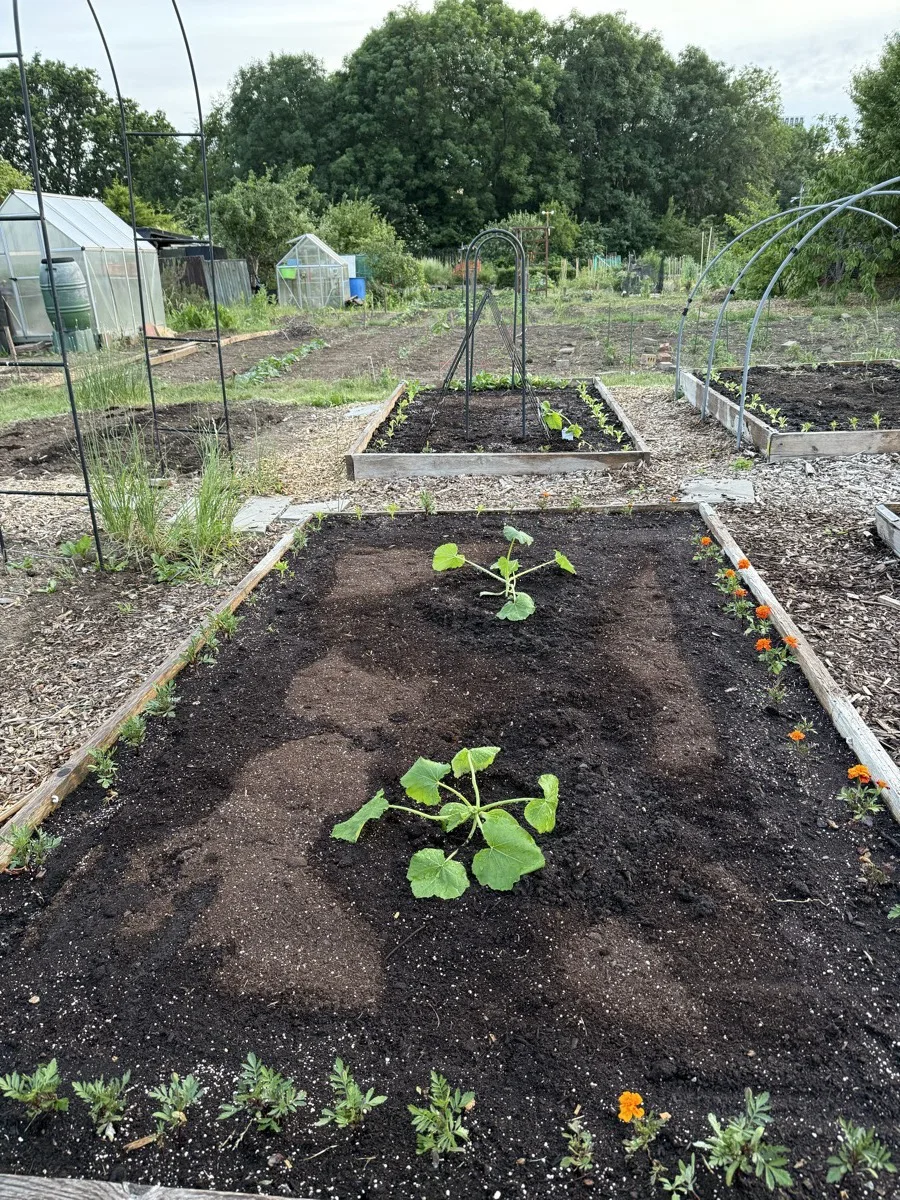
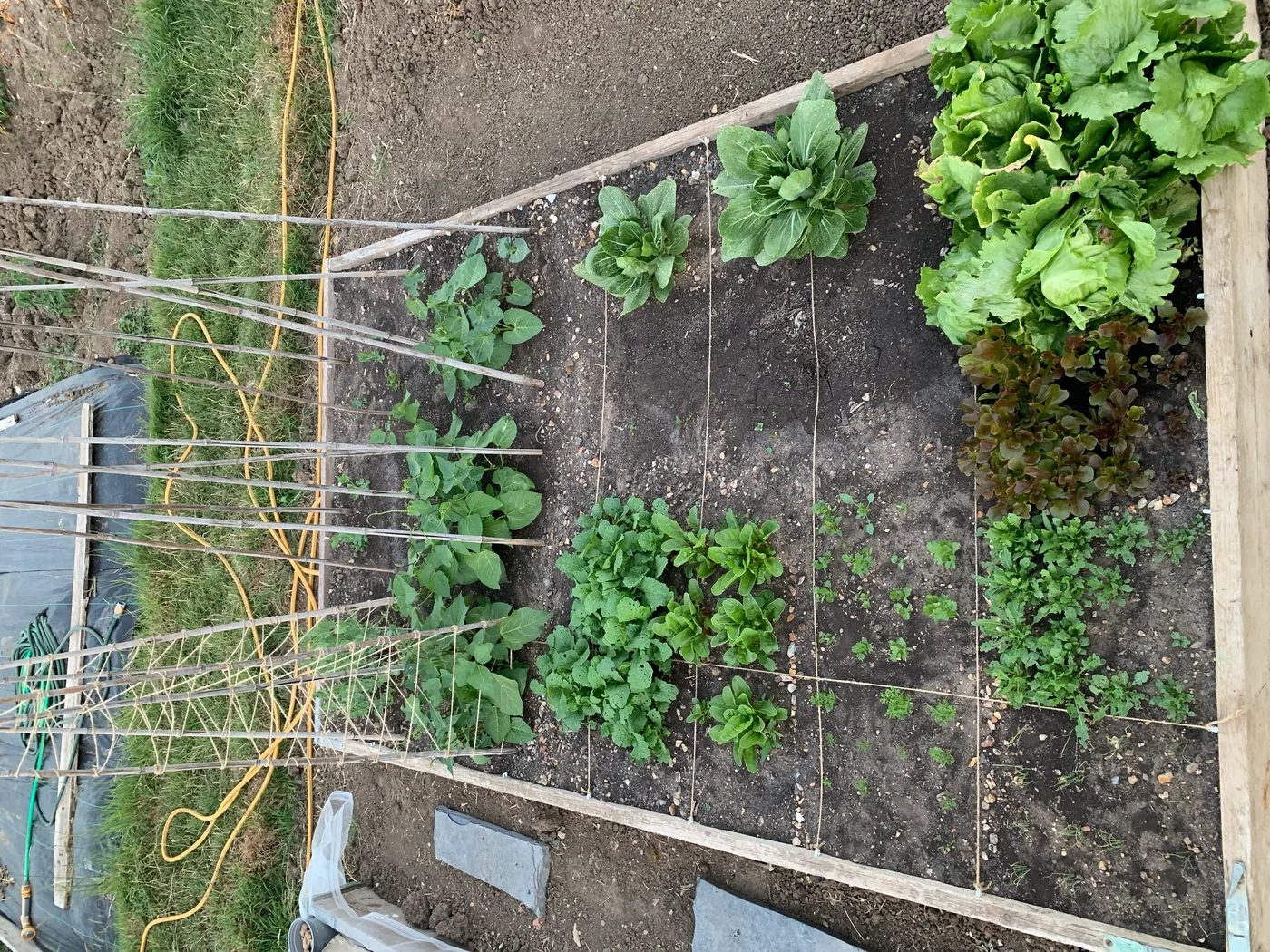
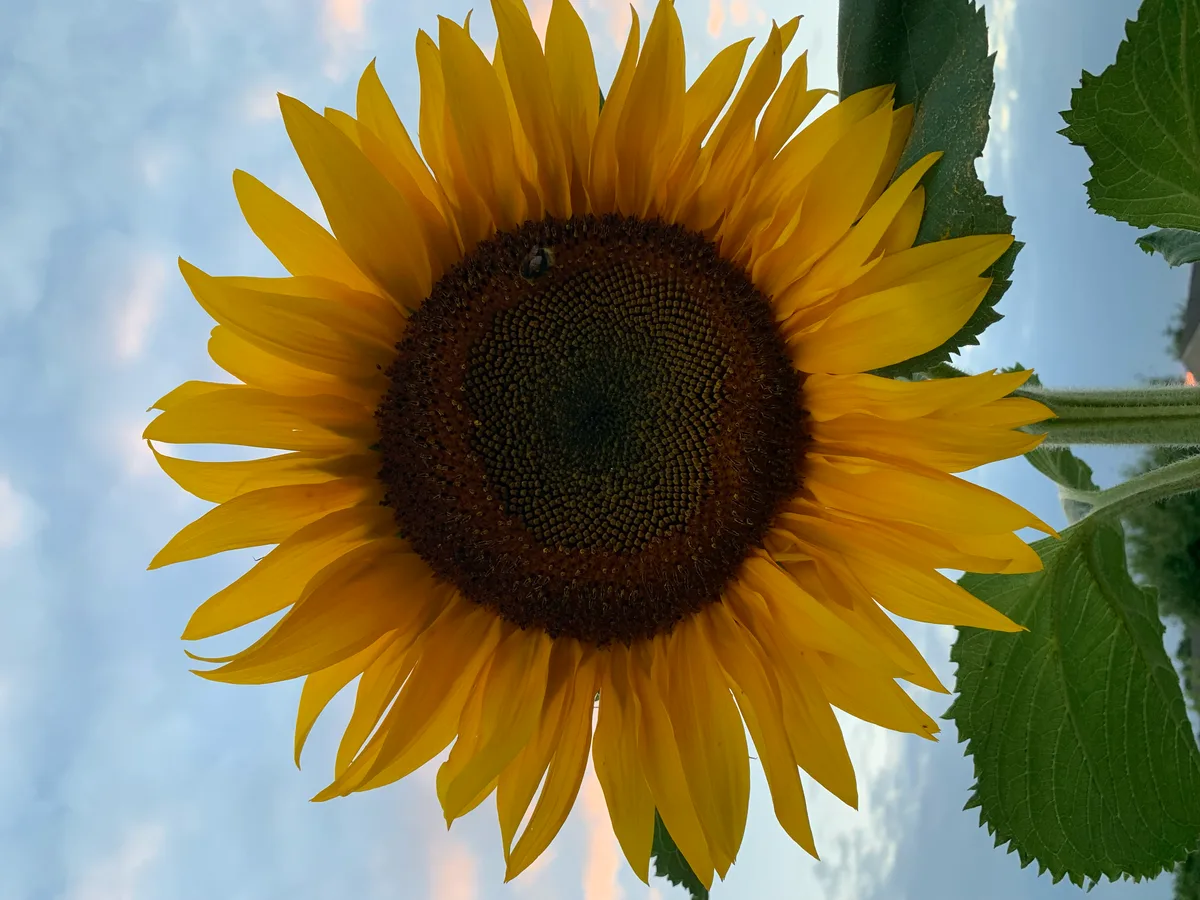
Tomatoes, cucumbers, courgettes, and sunflower seeds all went in around the same time. It is now another heatwave — June this year seems determined — so I am watering everything on every visit and hoping. The courgettes look settled already. Courgettes seem to shrug off almost anything. The tomatoes are upright against their canes. The cucumbers have their climbing frame and are beginning to reach for it.
French marigold plugs are usually available from garden centres through June and July. The season is long enough to recover from a setback like this — marigolds flower from whenever they go in right through to the first frost, so a June replanting still gives you four months of border.
Get personalised dates for your postcode
Every veg patch is different. Enter your postcode and we'll work out your frost date and tell you exactly what to sow right now.
Enter your postcode