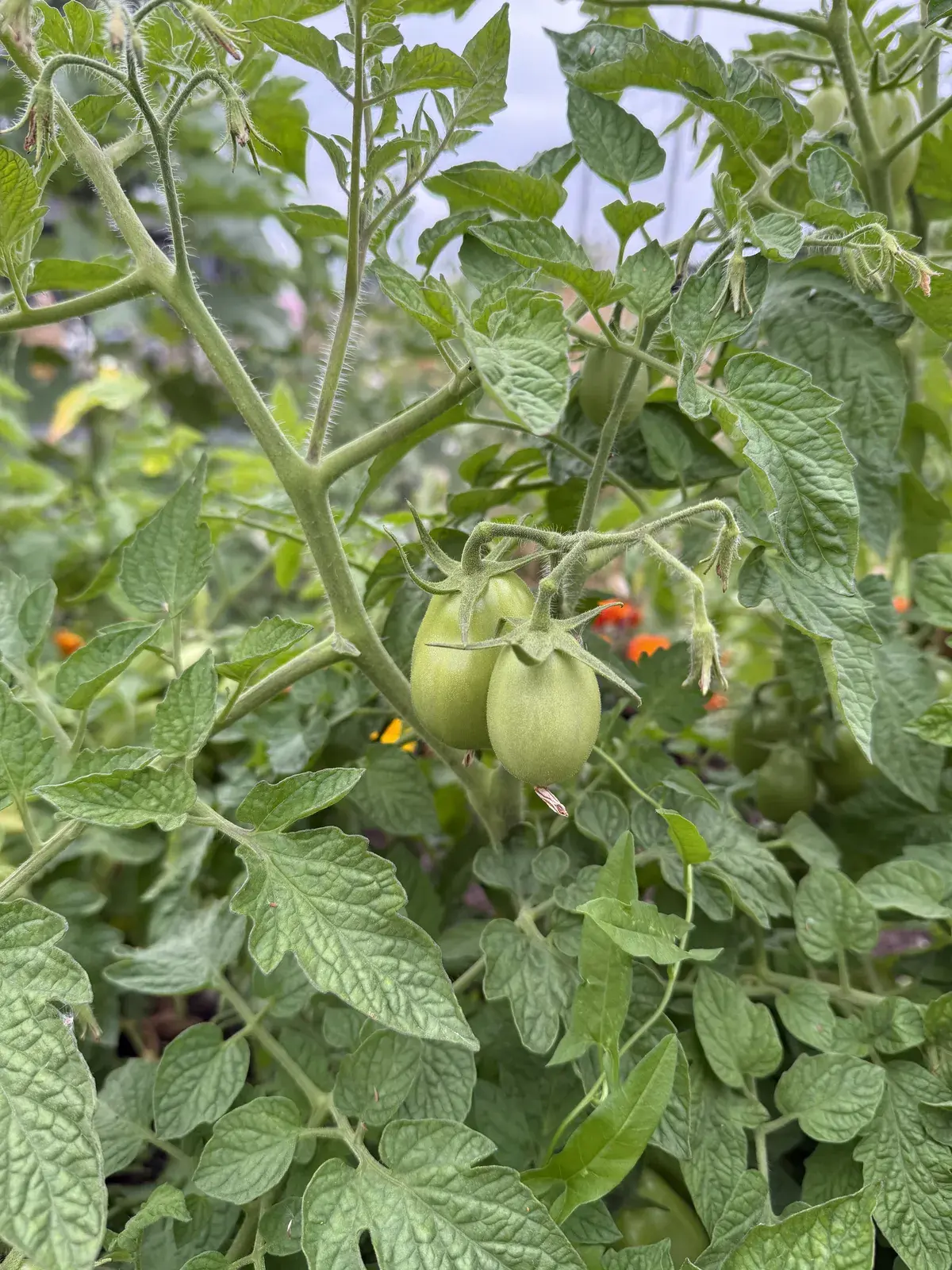
Starting seeds on the windowsill
I sowed my tomato seeds in early March, in small pots on the windowsill with a label stuck in each one. Nothing fancy — seed compost, a light watering, and a clear plastic bag over the top to hold in the warmth. Within a week, little green loops were pushing through the surface.
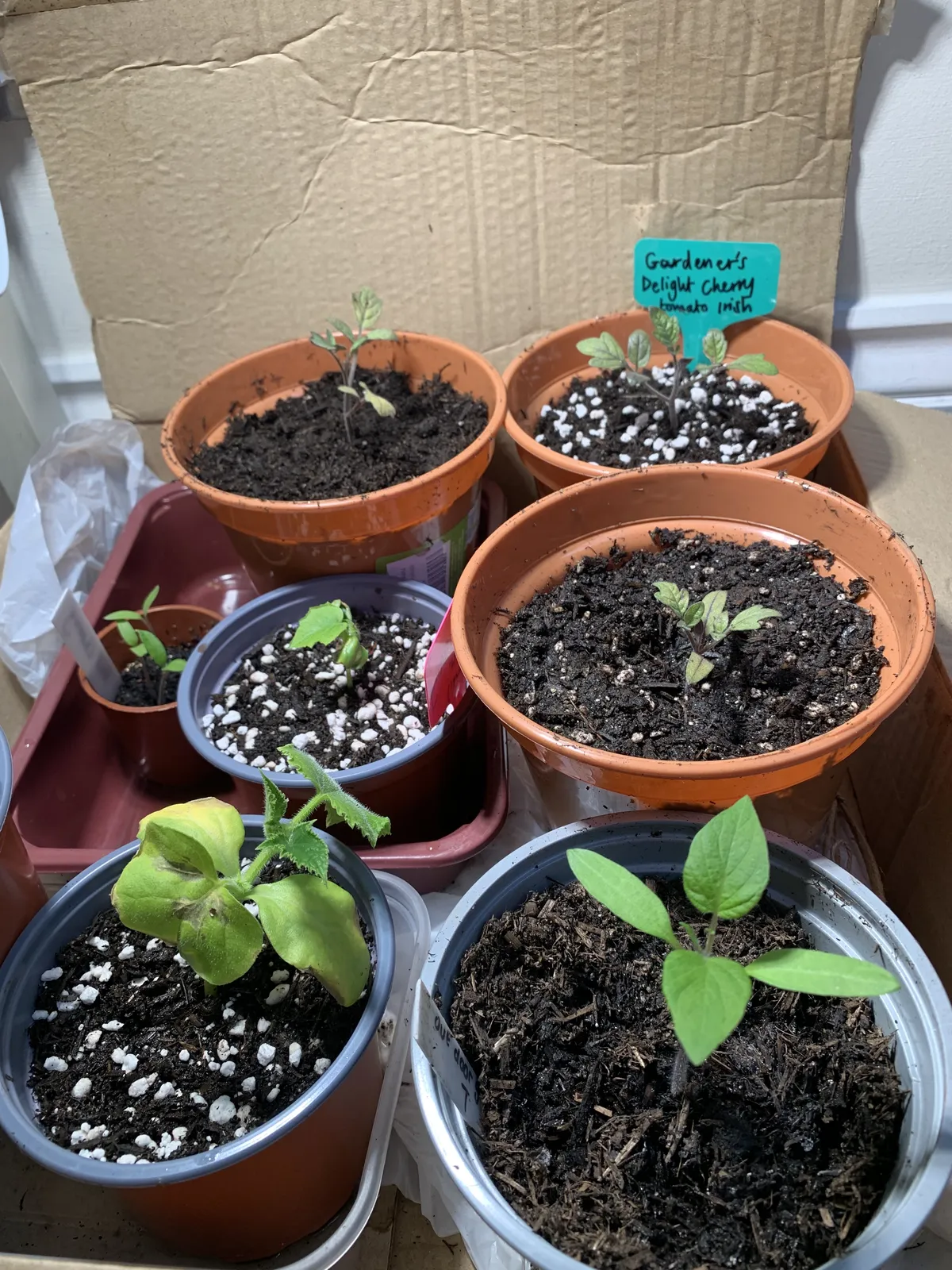
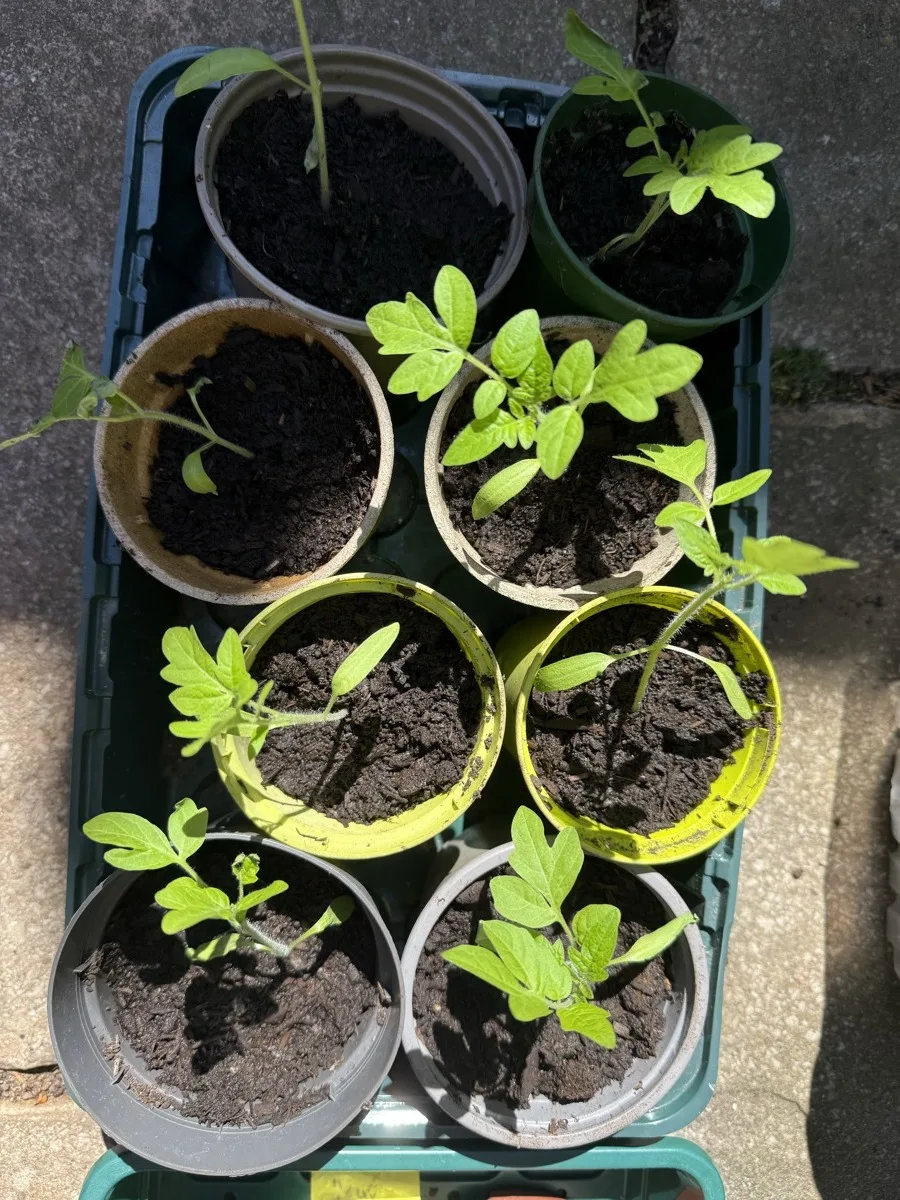
The key at this stage is light. Windowsill seedlings get leggy fast if they are not getting enough, and mine were no exception. I rotated the pots every couple of days and moved them to the sunniest window I had. By April, they were sturdy little plants with their first true leaves.
Sow tomato seeds 6-8 weeks before your last frost date. In most of the UK, that means early to mid-March. Use our postcode tool to find your exact date.
Planting out after the last frost
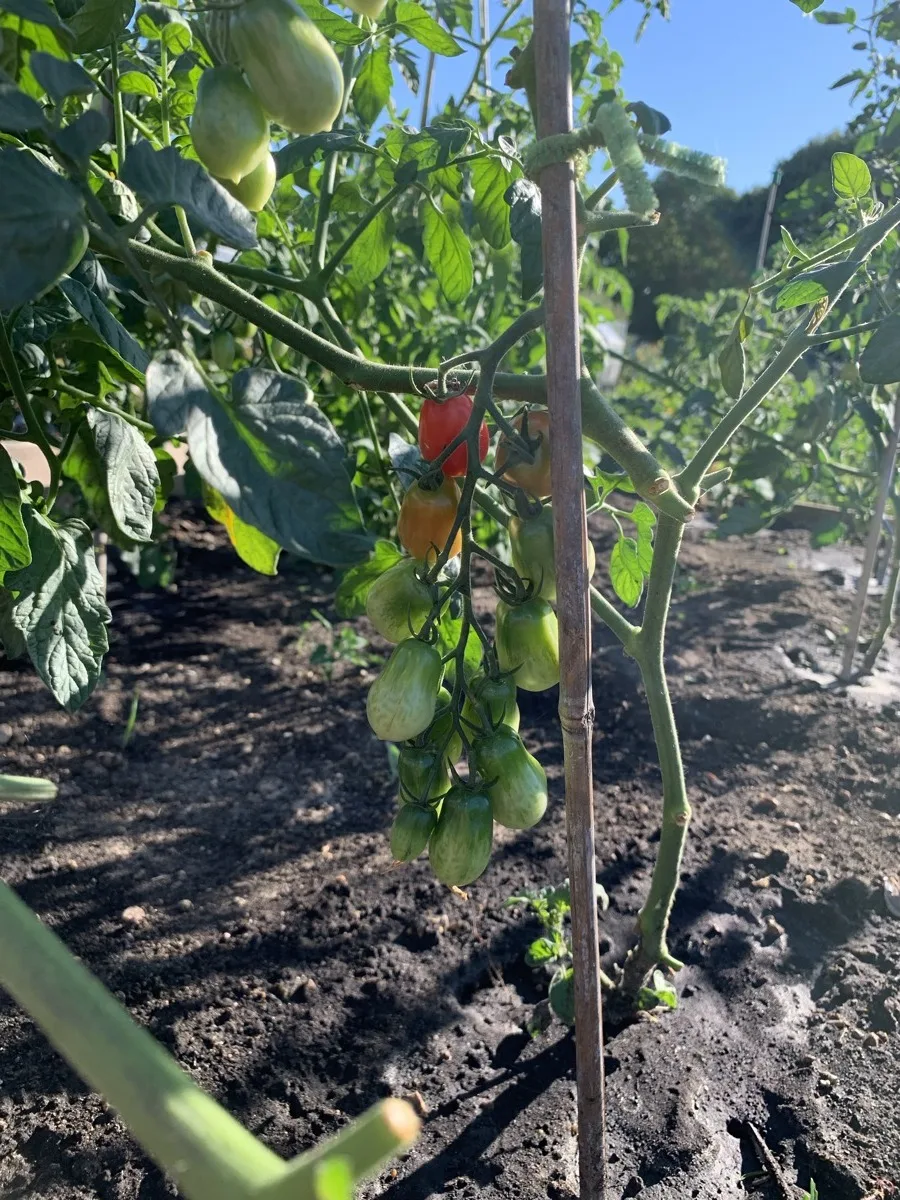
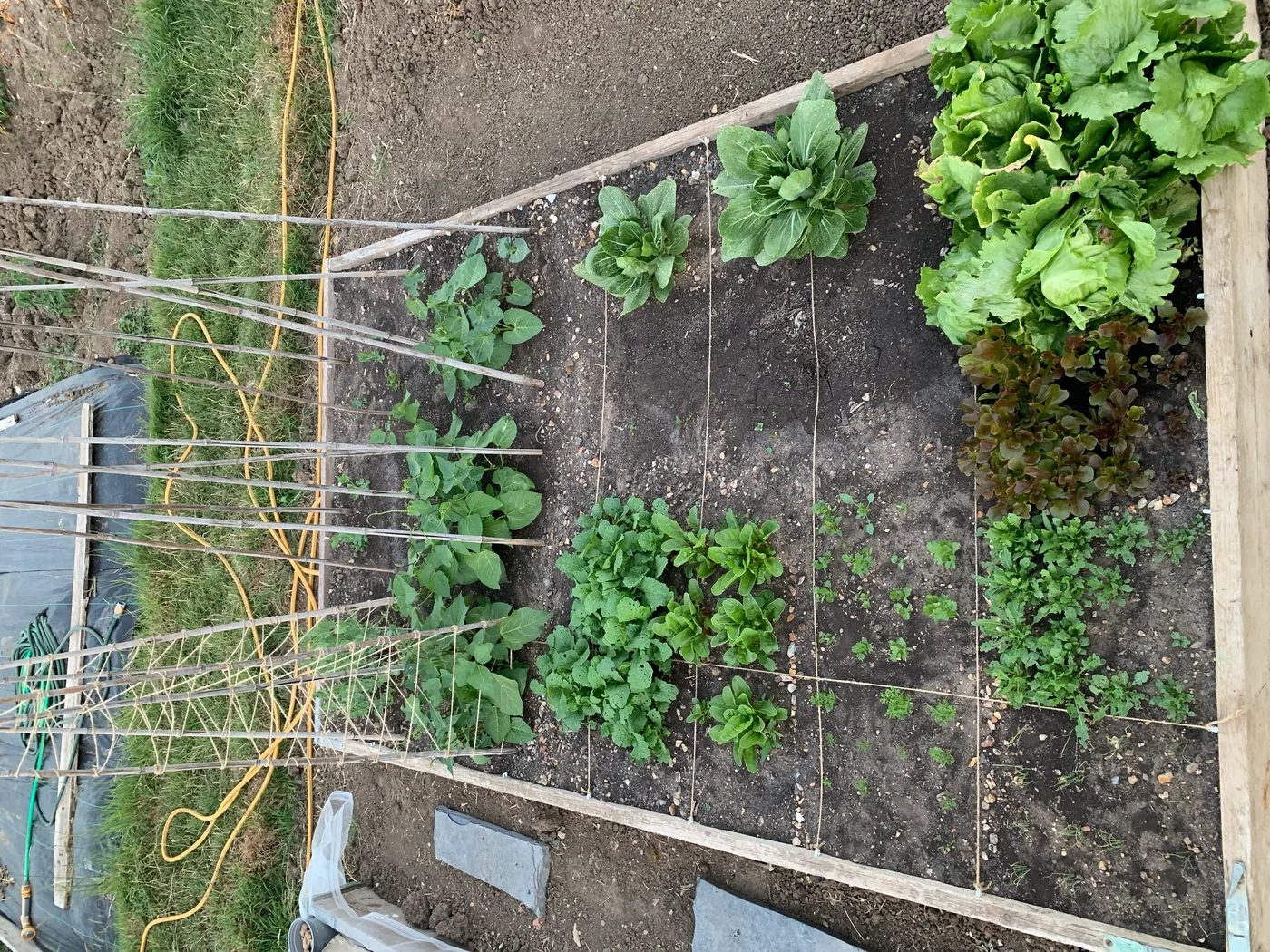
I planted out in late May, once the risk of frost had properly passed. The plants went into a raised bed with plenty of compost worked in, alongside marigolds for companion planting. Each one got a bamboo cane for support — tomatoes flop without something to lean on.
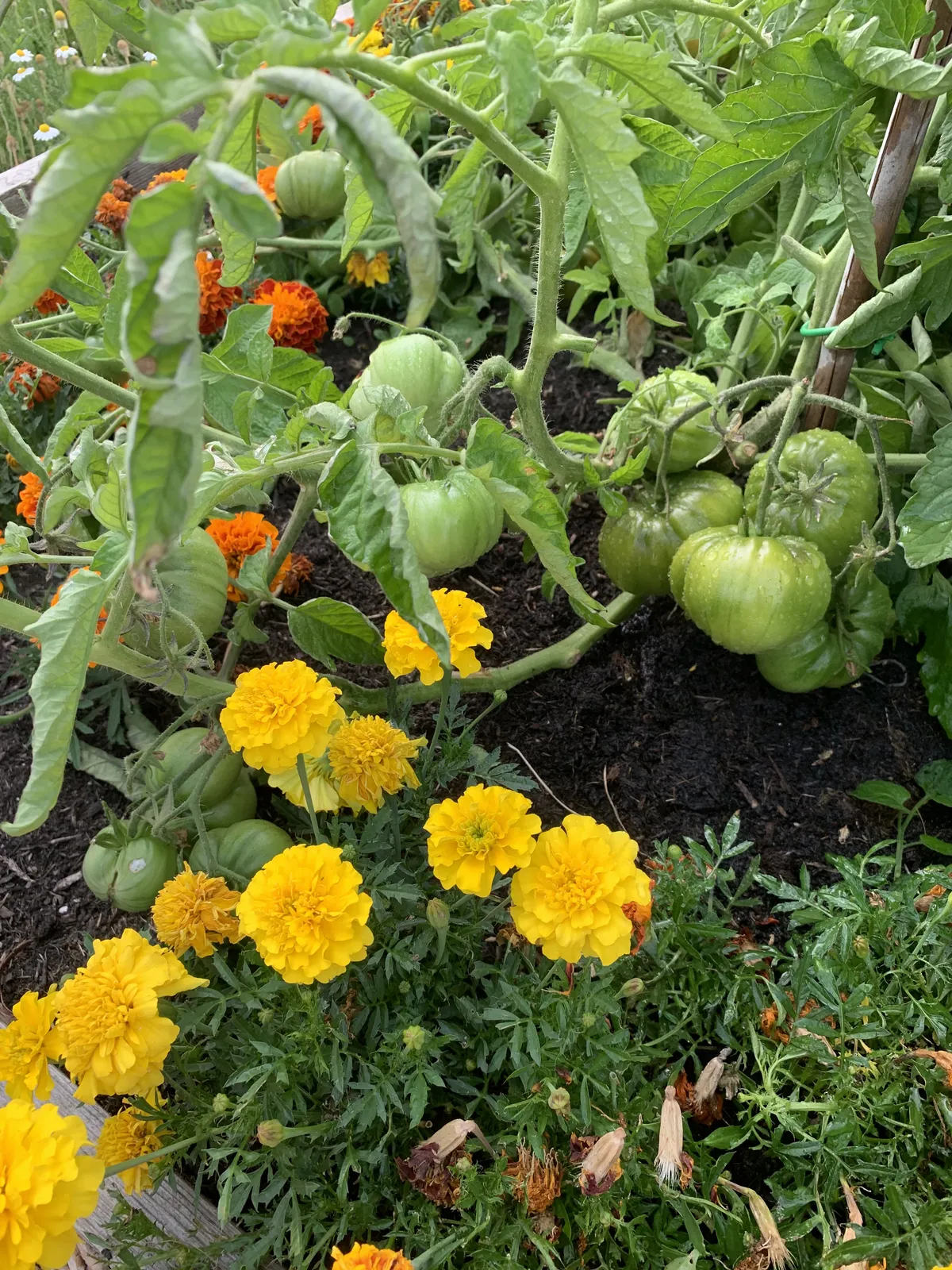
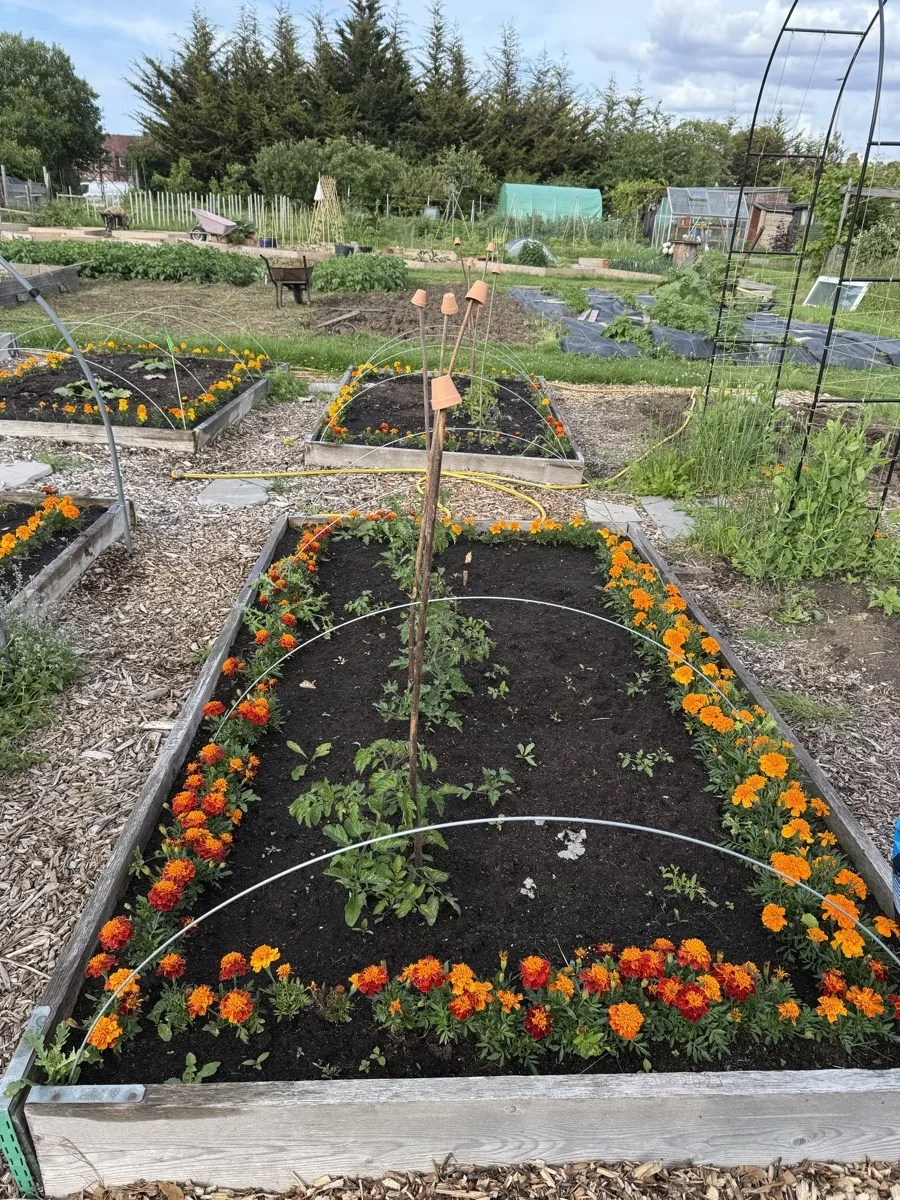
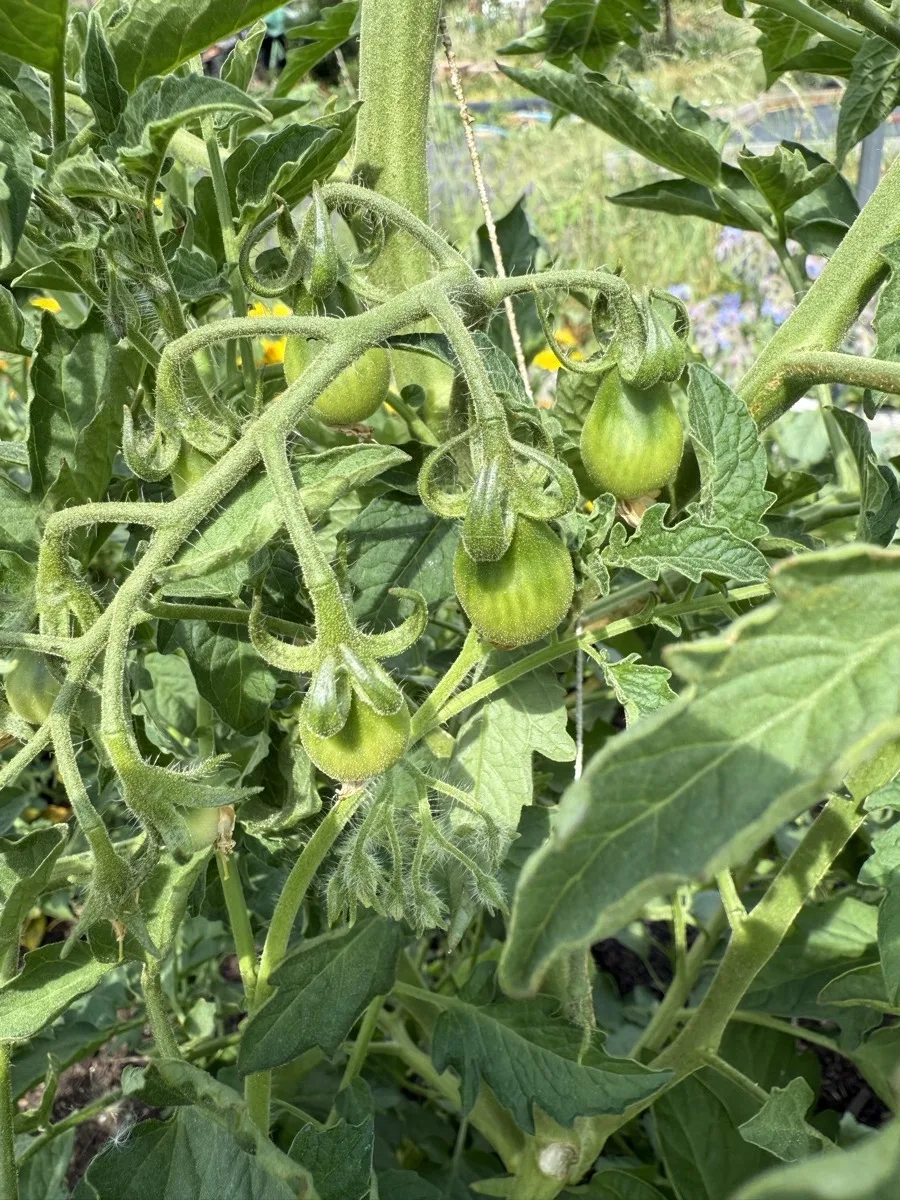
Watering is the single most important thing once tomatoes are in the ground. Inconsistent watering causes blossom end rot — those annoying black patches on the bottom of the fruit. I watered at the base every morning during dry spells, and mulched around the plants to keep moisture in.
The harvest
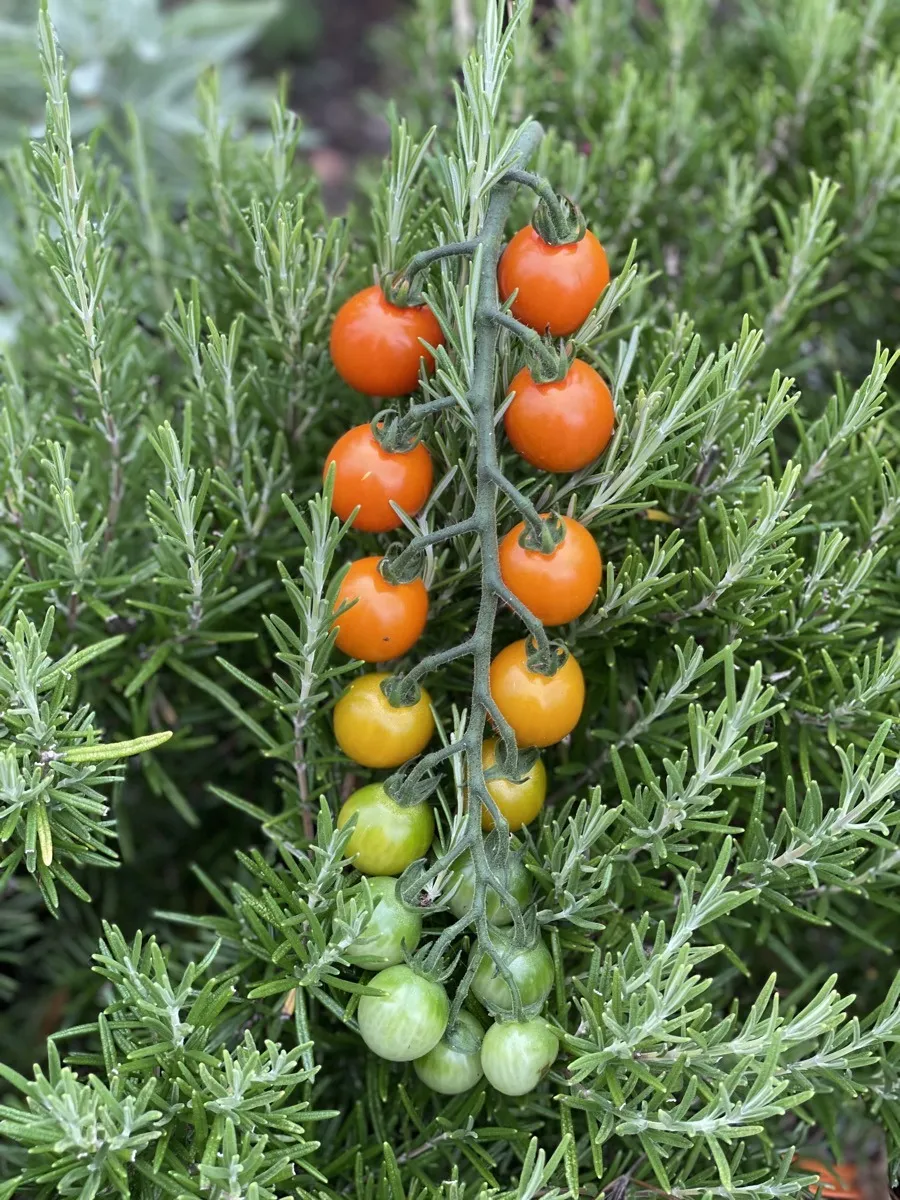
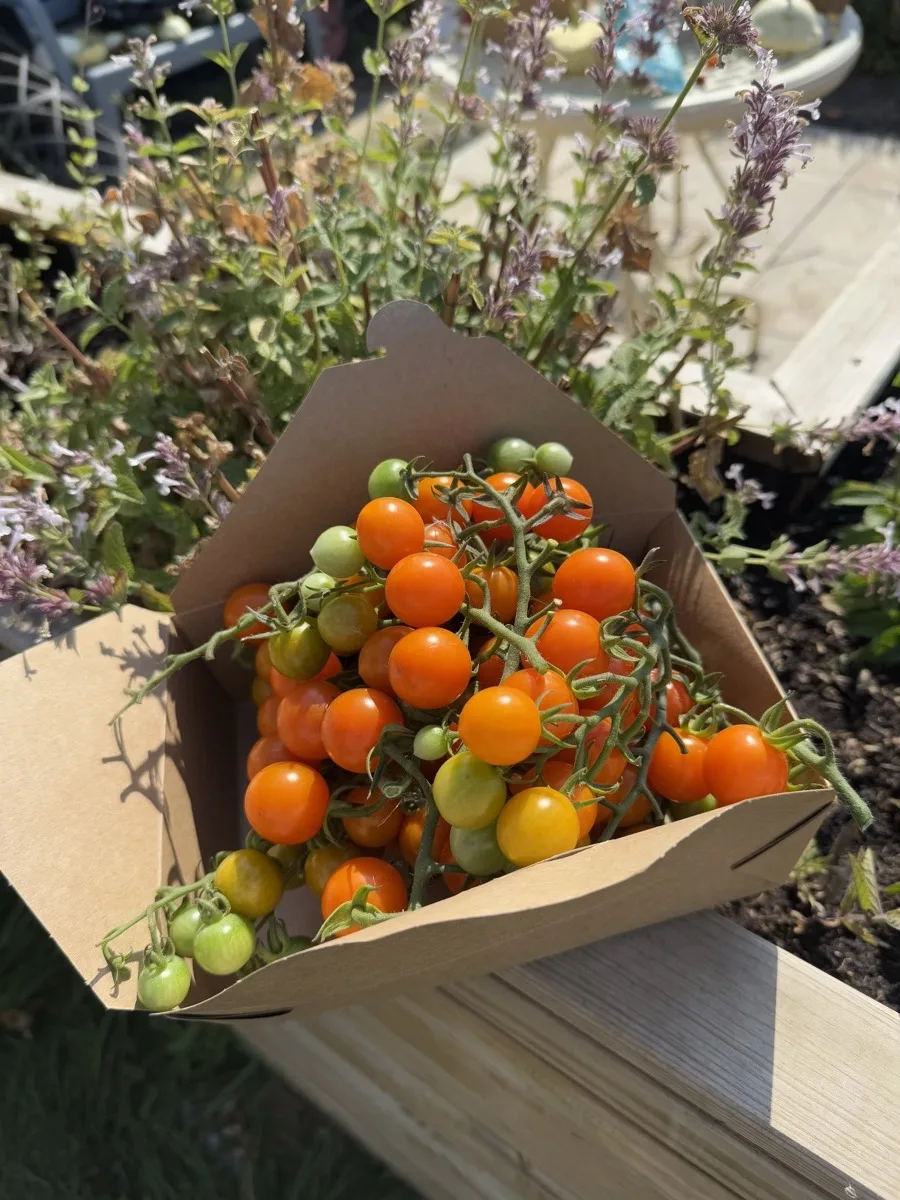
By late July, the cherry tomatoes were ripening faster than I could pick them. The orange and yellow varieties were the first to come — Sungold lived up to its reputation as the sweetest cherry tomato you can grow. The bigger varieties took longer, but by mid-August I was harvesting boxes of them.
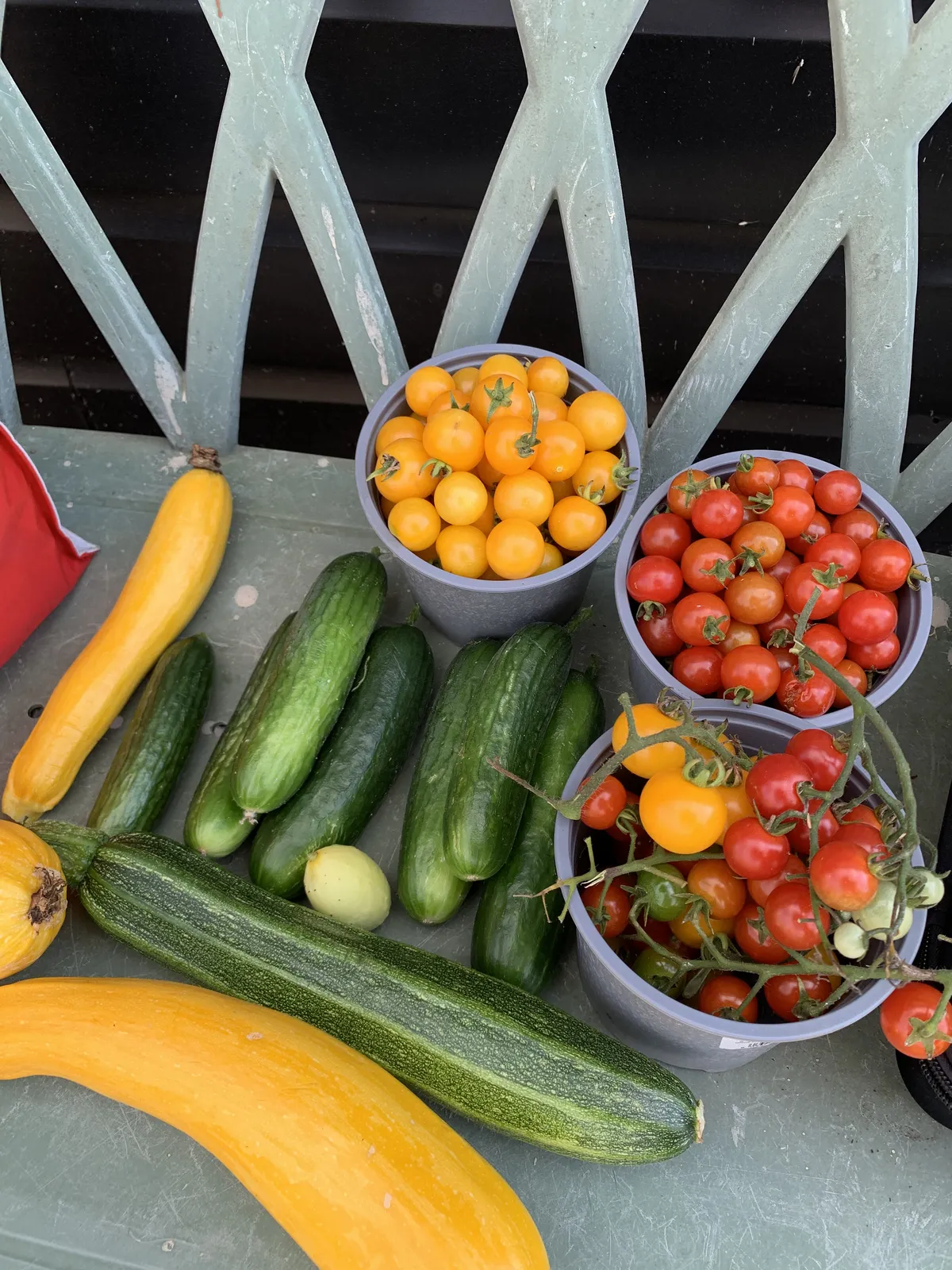
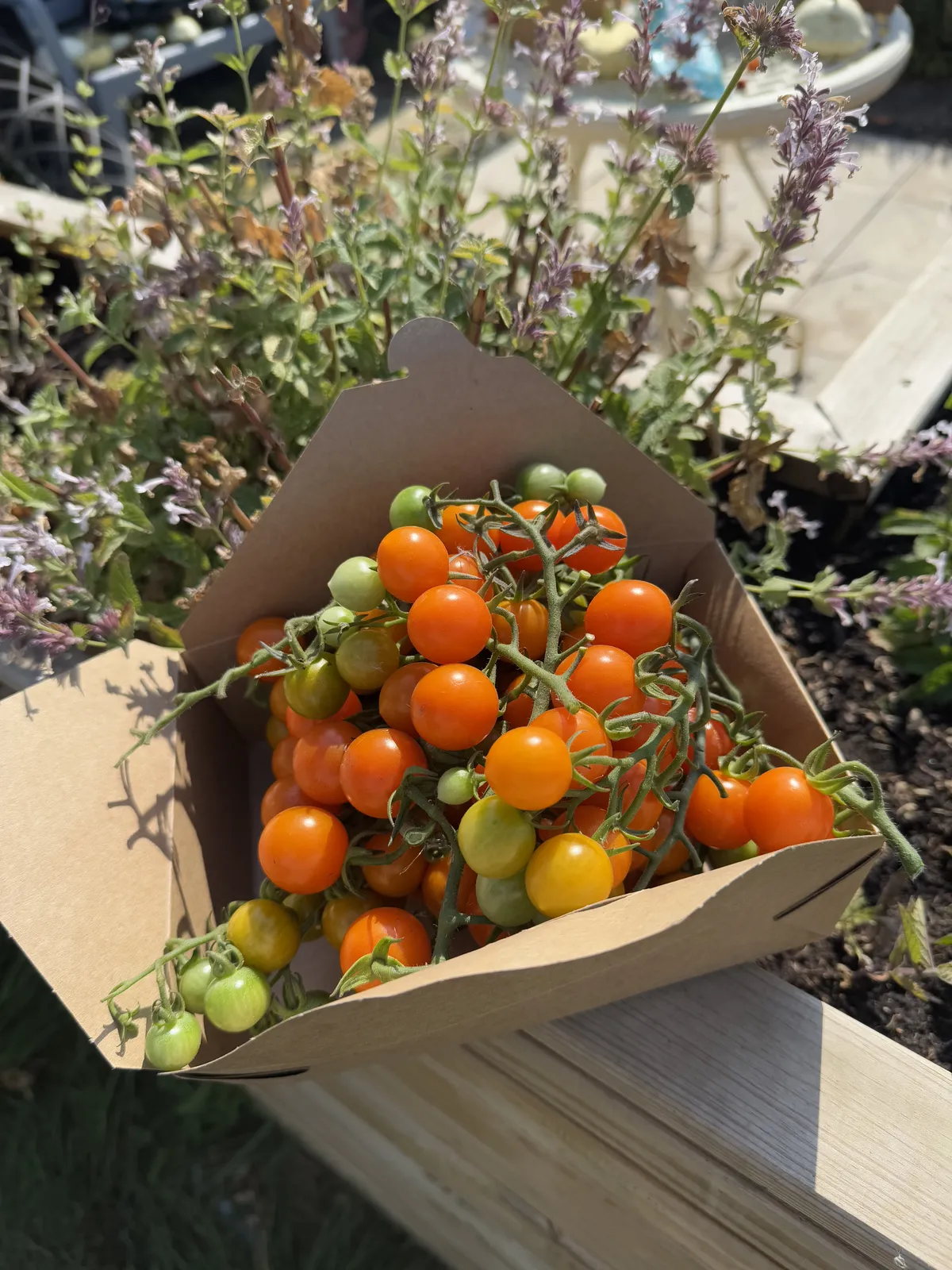
The best part about growing tomatoes is the sheer abundance. One plant produces kilos of fruit over the season. I gave boxes away to neighbours, took them to work, and still had more than I could eat. If you are thinking about growing your own, tomatoes are where to start.
What I would do differently
I grew too many beefsteak varieties and not enough cherry tomatoes. The cherry types ripen faster, produce more reliably in a UK summer, and taste better straight off the vine. Next year I will grow mostly Sungold and Gardener's Delight, with maybe one or two beefsteak plants for the novelty.
I would also start feeding with tomato fertiliser earlier — once the first truss sets, not after. And I would prune side shoots more aggressively. The bushier plants produced less fruit because the energy was going into leaves.
Get personalised dates for your postcode
Every veg patch is different. Enter your postcode and we'll work out your frost date and tell you exactly what to sow right now.
Enter your postcode