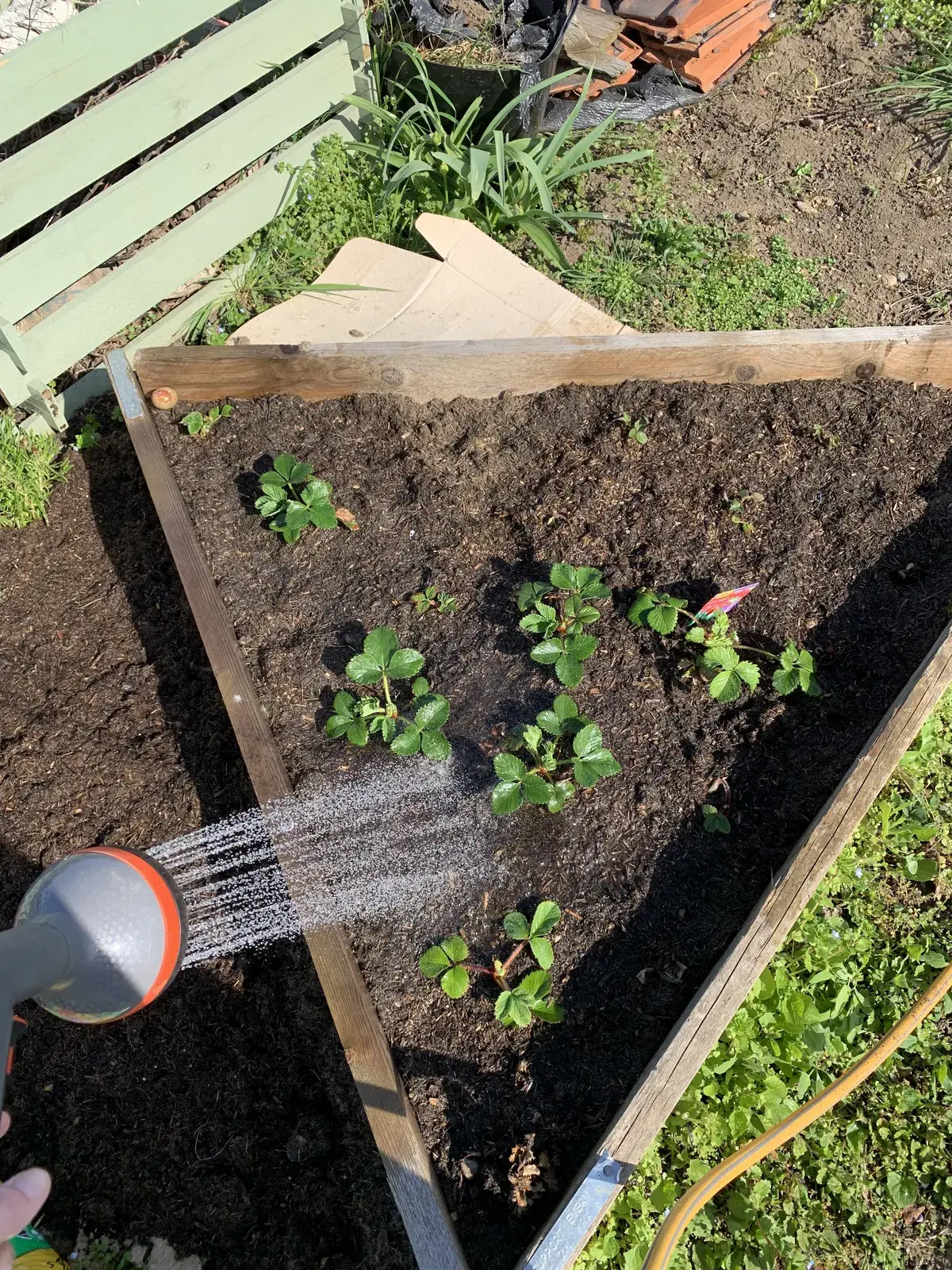
We get plenty of rain in this country — just rarely when we want it. A water butt banks the winter and spring downpours for the dry fortnight in July when the seedlings are gasping and a hosepipe ban has just been announced. Rainwater is better for plants too: soft, room-temperature and free of the chlorine that tap water carries.
The single most common mistake is going too small. A 100-litre slimline butt looks generous until a hot week empties it in days. If you've the room, more storage is always the right answer — link two butts together and you've a proper reserve.
What to look for
Capacity: treat 200 litres as a sensible minimum for a garden; on an allotment, the biggest tank you can fill. A diverter kit that taps into a downpipe (house, shed or greenhouse) fills the butt far faster than rain falling in the top, and sends the overflow back down the drain. Height matters for flow — stand the butt up on blocks or a proper stand so you can get a watering can under the tap and let gravity do the work. A lid is non-negotiable: it keeps out leaves, mosquito larvae and curious wildlife (and small children). On an allotment with no roof to harvest from, a big freestanding tank with a rain-catching lid does the job.
The options worth considering
Set it up where you'll actually use it — beside the beds you water most, not the far corner. And once it's flowing, water at the roots in the cool of the evening with a long lance rather than sprinkling the leaves; you'll lose far less to evaporation and the plants will thank you for it.
For how and when to water once you've banked the rain, there's a full watering guide below — including the watering lance that turned the job from a chore into a pleasure.

Get personalised dates for your postcode
Every veg patch is different. Enter your postcode and we'll work out your frost date and tell you exactly what to sow right now.
Enter your postcode