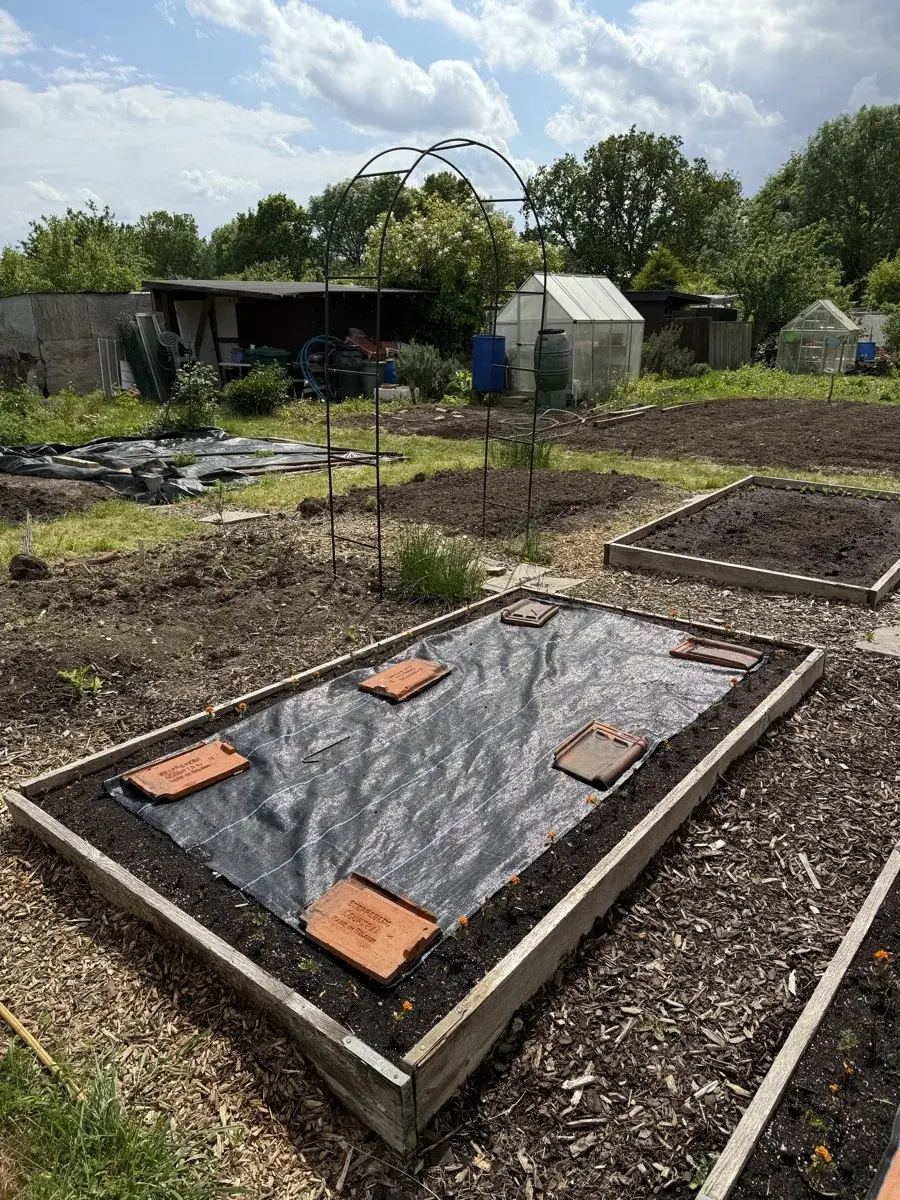
There's a reason nearly every allotment ends up with raised beds. The soil inside one warms faster in spring — by a few degrees, which is enough to sow two or three weeks earlier — it drains better after our endlessly wet winters, and it gives you a clean edge to work from so you're never standing on (and squashing) the ground your roots want to grow into. It's also simply gentler on your back, which matters more every season.
You can build one from scaffold boards for next to nothing, and if you're handy that's a lovely Saturday. But a good kit goes up in an afternoon, squares up properly at the corners, and saves you sourcing timber — so if you'd rather be growing than woodworking, here's what to look for.
What to look for
Depth first. Aim for at least 20cm of soil — 30cm or more if you want to grow carrots, parsnips and other long roots, or if you're putting the bed on a hard surface. Width second: you should be able to reach the middle from either side without treading on the soil, so keep it to about 1.2m across (narrower if it's against a wall). Then material: untreated or naturally durable timber (cedar, larch, oak) for anything you'll eat from; FSC-certified if you can. Powder-coated steel and Corten ('rusted' weathering) beds last decades and look wonderful, but check the steel is food-safe. Tall planters that bring the soil up to waist height are a joy if bending is hard — just remember they need a lot of compost to fill and dry out faster, so they want more watering.
The options worth considering
Whatever you choose, the bed is only as good as what goes in it. Fill with a mix of topsoil and well-rotted compost rather than compost alone (pure compost sinks and dries out), and top up with an inch of fresh compost each spring — the no-dig way. A bed roughly 1.2m × 2.4m is the sweet spot: big enough to be worth it, small enough to reach.
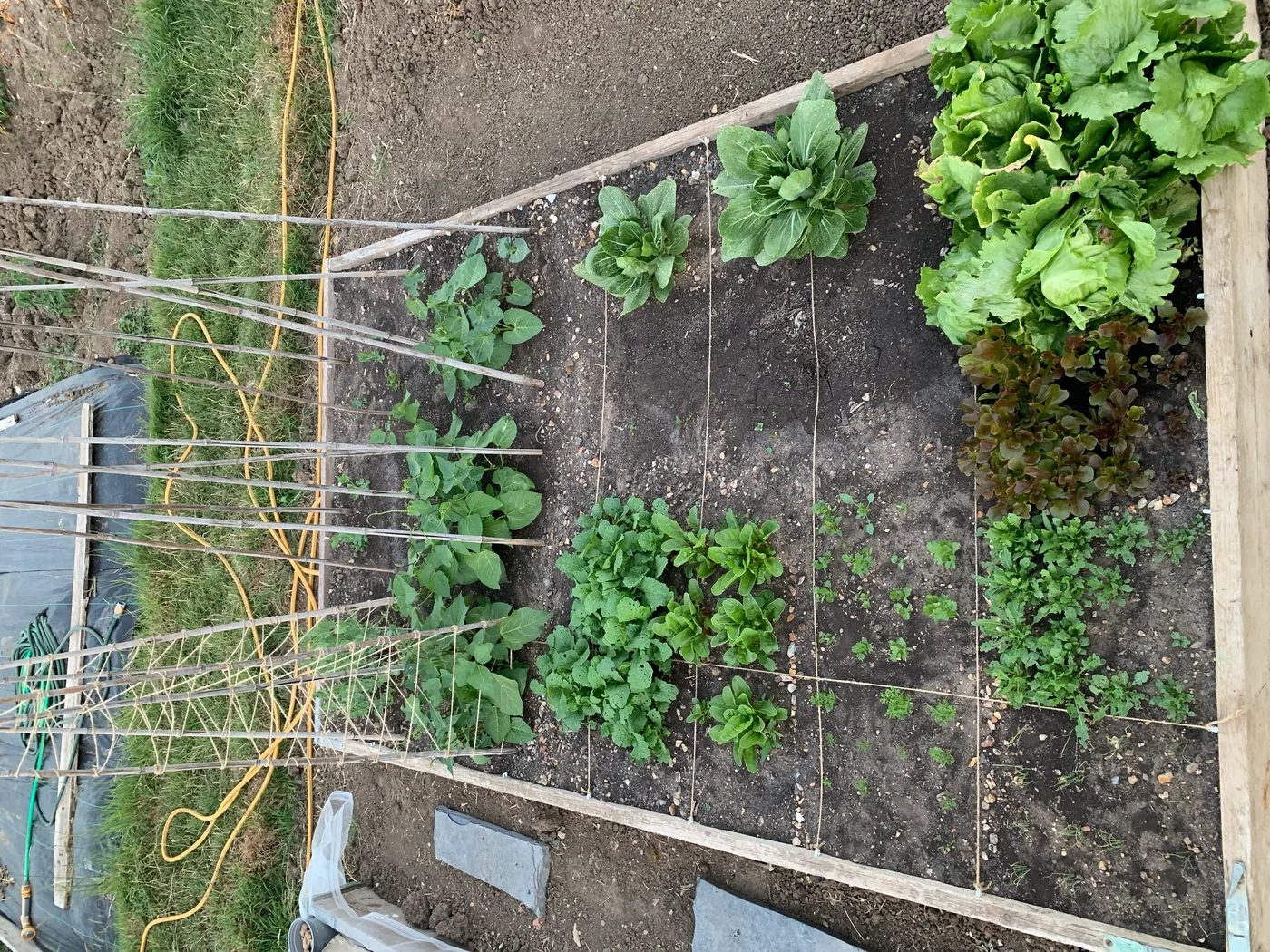
Once it's built, the fun begins: gridding it up the square-foot way and tucking in good companions. I've written about both — they turn one tidy bed into a surprising amount of food.

Get personalised dates for your postcode
Every veg patch is different. Enter your postcode and we'll work out your frost date and tell you exactly what to sow right now.
Enter your postcode