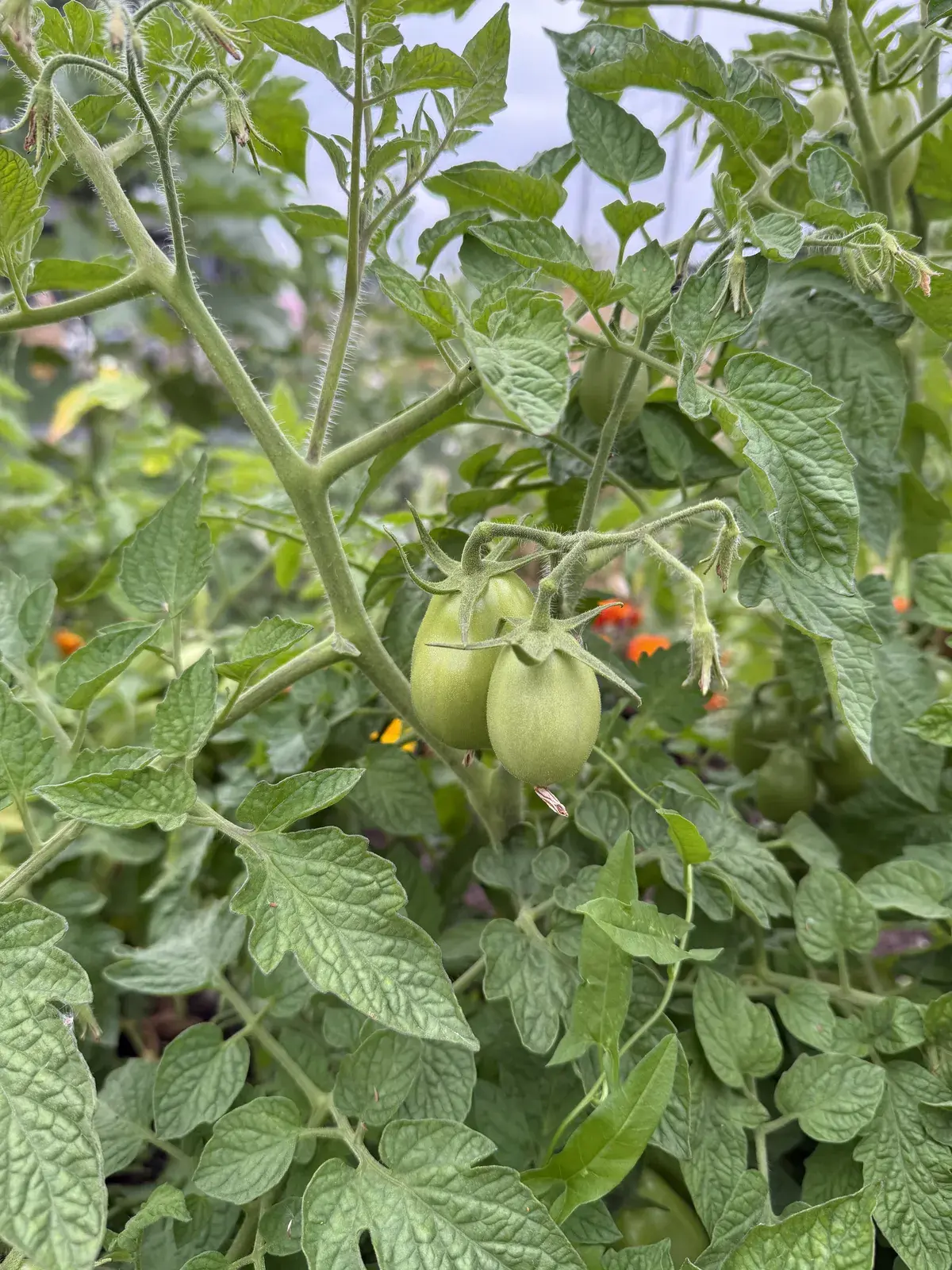
Tomato & potato blight
The fastest way to lose a tomato crop — and the one weather pattern that gives it away.
What blight actually is
Late blight is a water mould, Phytophthora infestans— the same disease behind the Irish potato famine. It spreads on warm, wet, humid air. Spores land on a leaf, and if it stays damp long enough they germinate and push into the plant. Within days you see brown, water-soaked patches, often with a faint white fuzz beneath, and then the fruit goes too.
Outdoor tomatoes and maincrop potatoes are most at risk. Once it takes hold there is no cure — the whole game is spotting the conditions early and slowing it down.
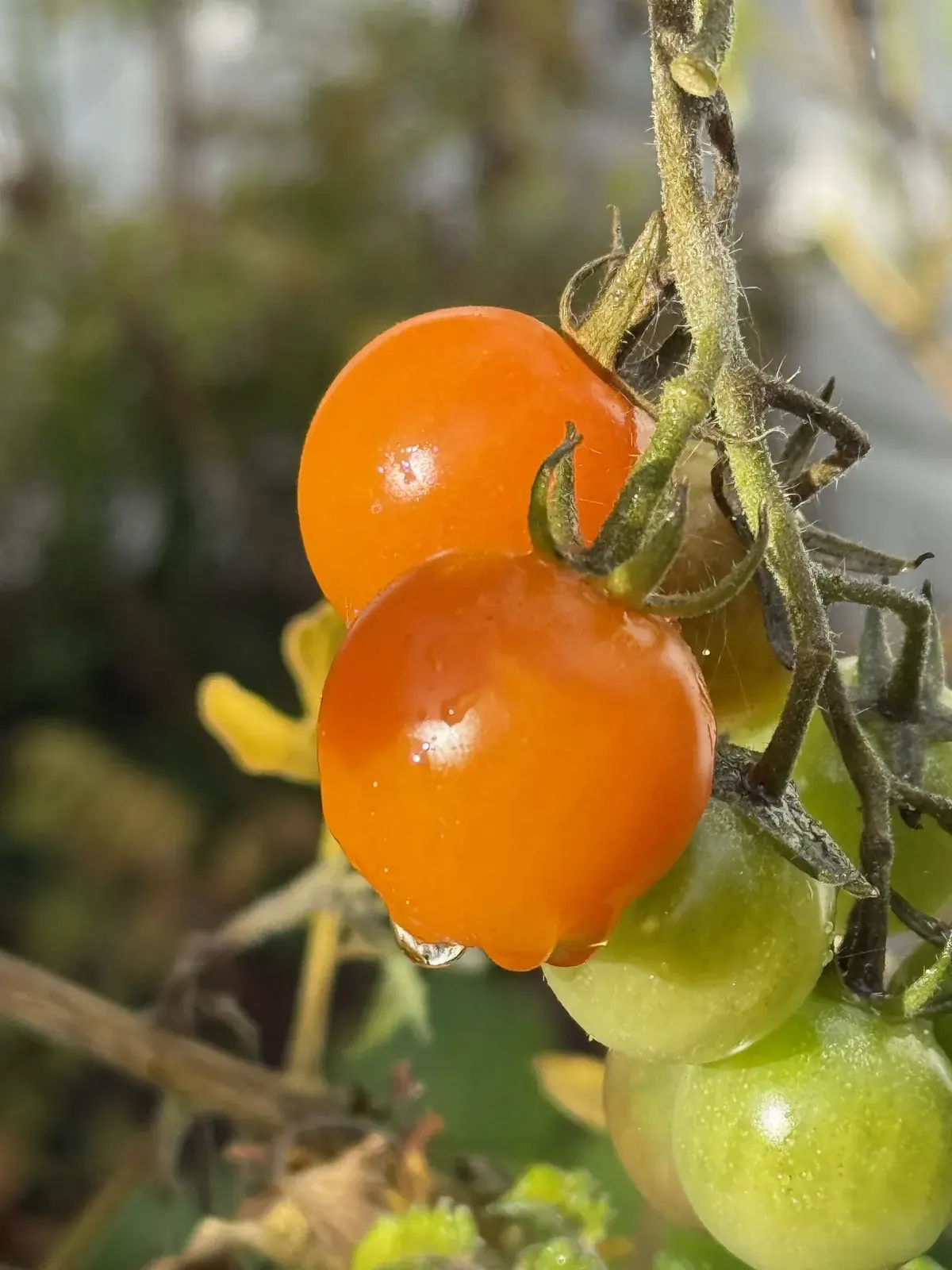
The Hutton Criteria
Since 2017 the UK has used the Hutton Criteria— developed by the James Hutton Institute and AHDB — to predict blight pressure. It is pleasingly simple. A high-risk Hutton Period is flagged when you get:
Two consecutive days, each with a minimum temperature of 10°C and at least six hours of relative humidity at or above 90%.
That is warm, muggy, won't-quite-dry-out weather, two days running. When it happens near you, the indicator above turns red — the same model the commercial growers watch, pointed at your postcode.
When risk is high
- 1
Improve airflow
Take off the lowest leaves, space plants out, and open up the greenhouse or cloche on warm days. Moving air dries leaves and starves the spores.
- 2
Keep water off the foliage
Water at the base, in the morning, never over the leaves. Wet leaves overnight are exactly what blight wants.
- 3
Check, then remove and bin
Look over plants every day. Cut off any leaf or stem with brown blotches and bin it — household waste, not the compost heap, which would just spread it.
- 4
Harvest ahead of it
If blight takes hold, pick every usable green tomato and ripen them indoors. For potatoes, cut off the foliage (haulms) to stop spores reaching the tubers, then lift after a couple of weeks.
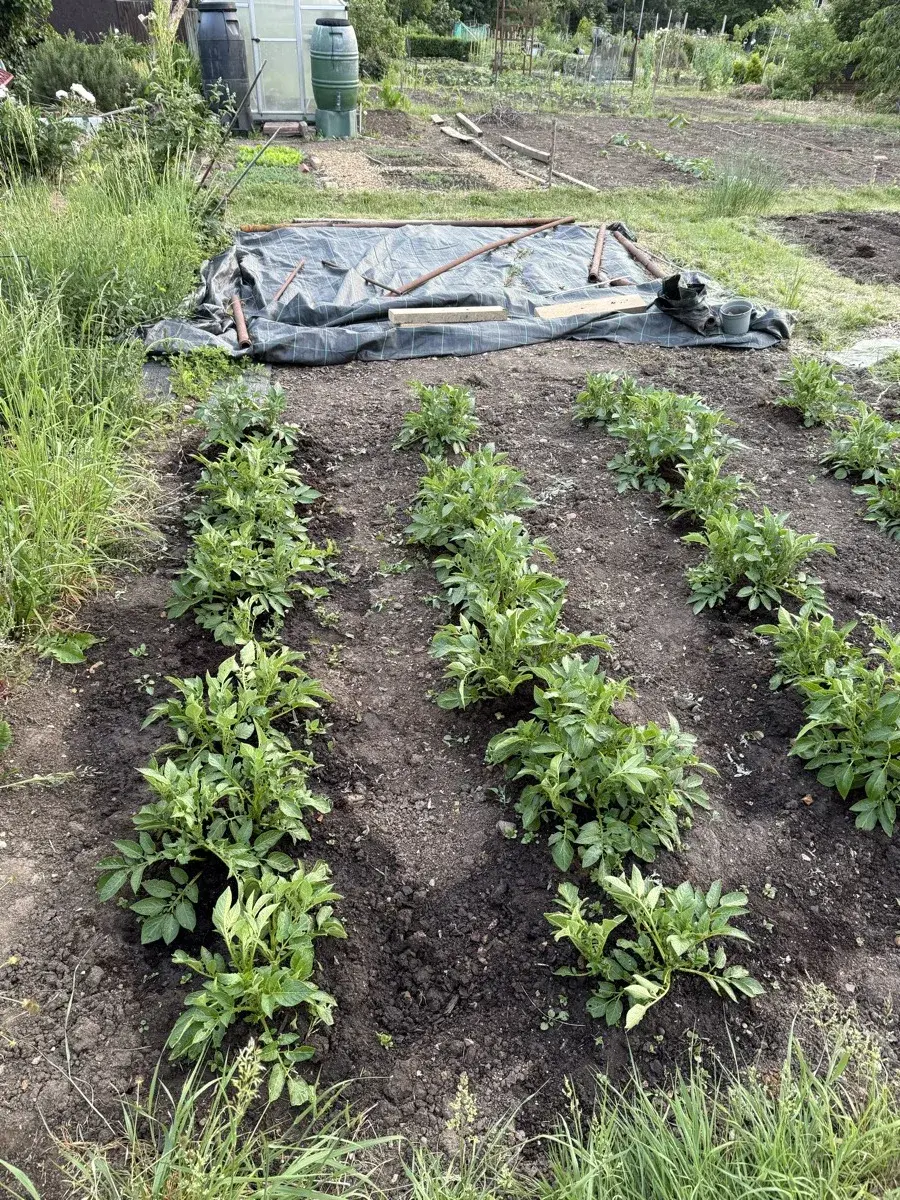
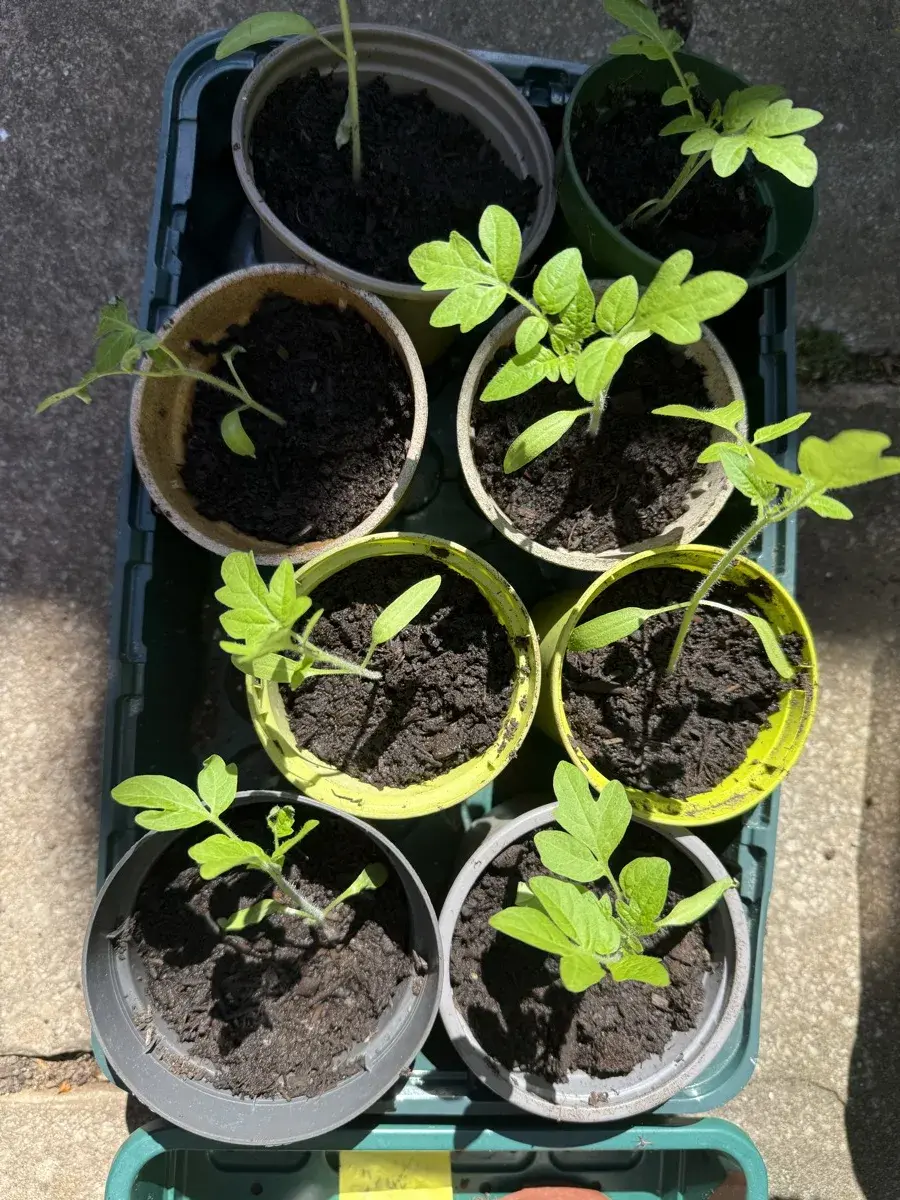
Grow resistant varieties
The surest defence is to grow varieties bred to shrug blight off. They are not immortal, but in a bad year they keep cropping while everything around them collapses.
- Tomatoes: Crimson Crush, Mountain Magic and Ferline are the go-to blight-resistant outdoor varieties.
- Potatoes: the Sarpo family (Sarpo Mira, Sarpo Axona) is famously tough.