Start with strawberries
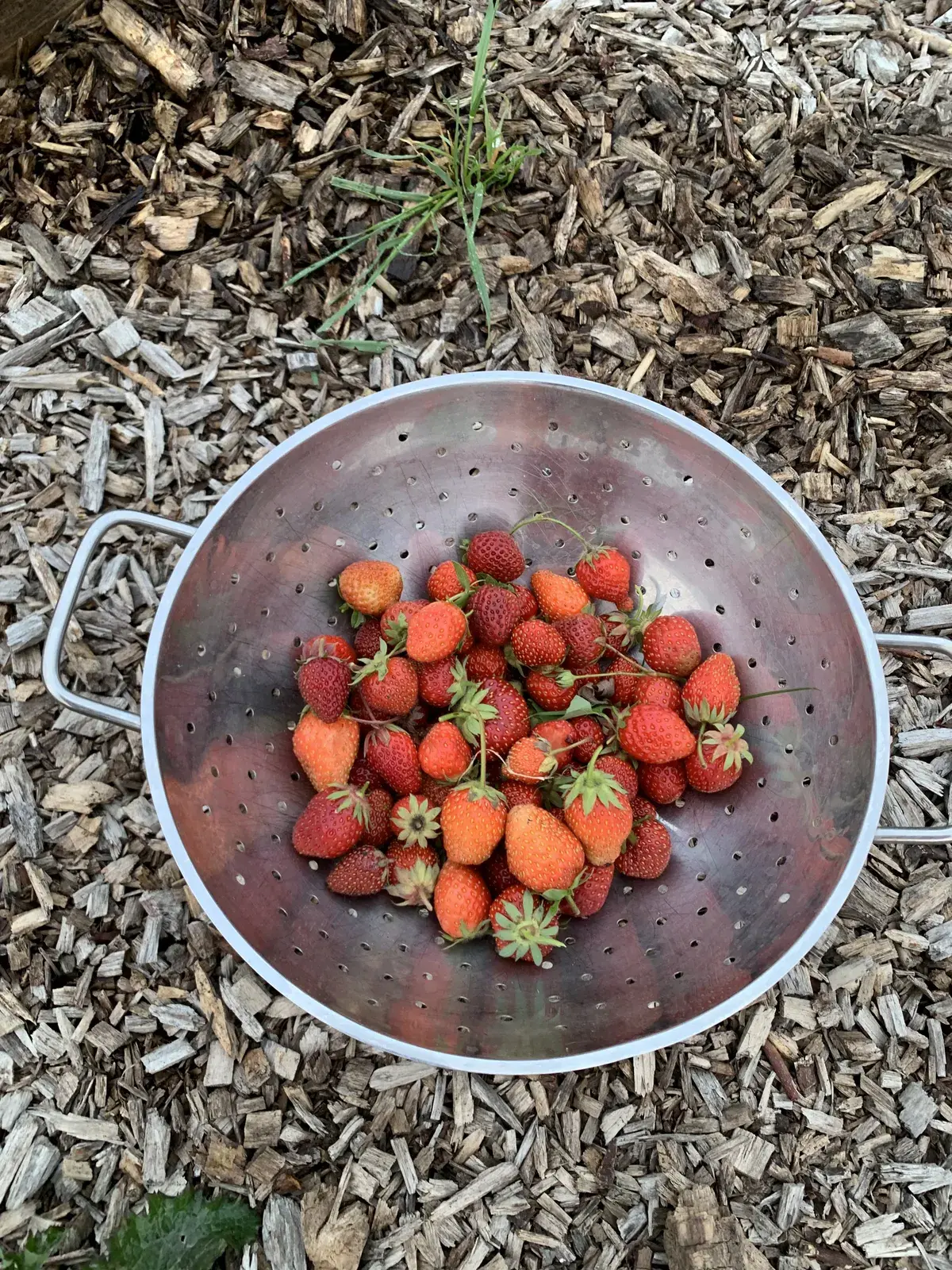
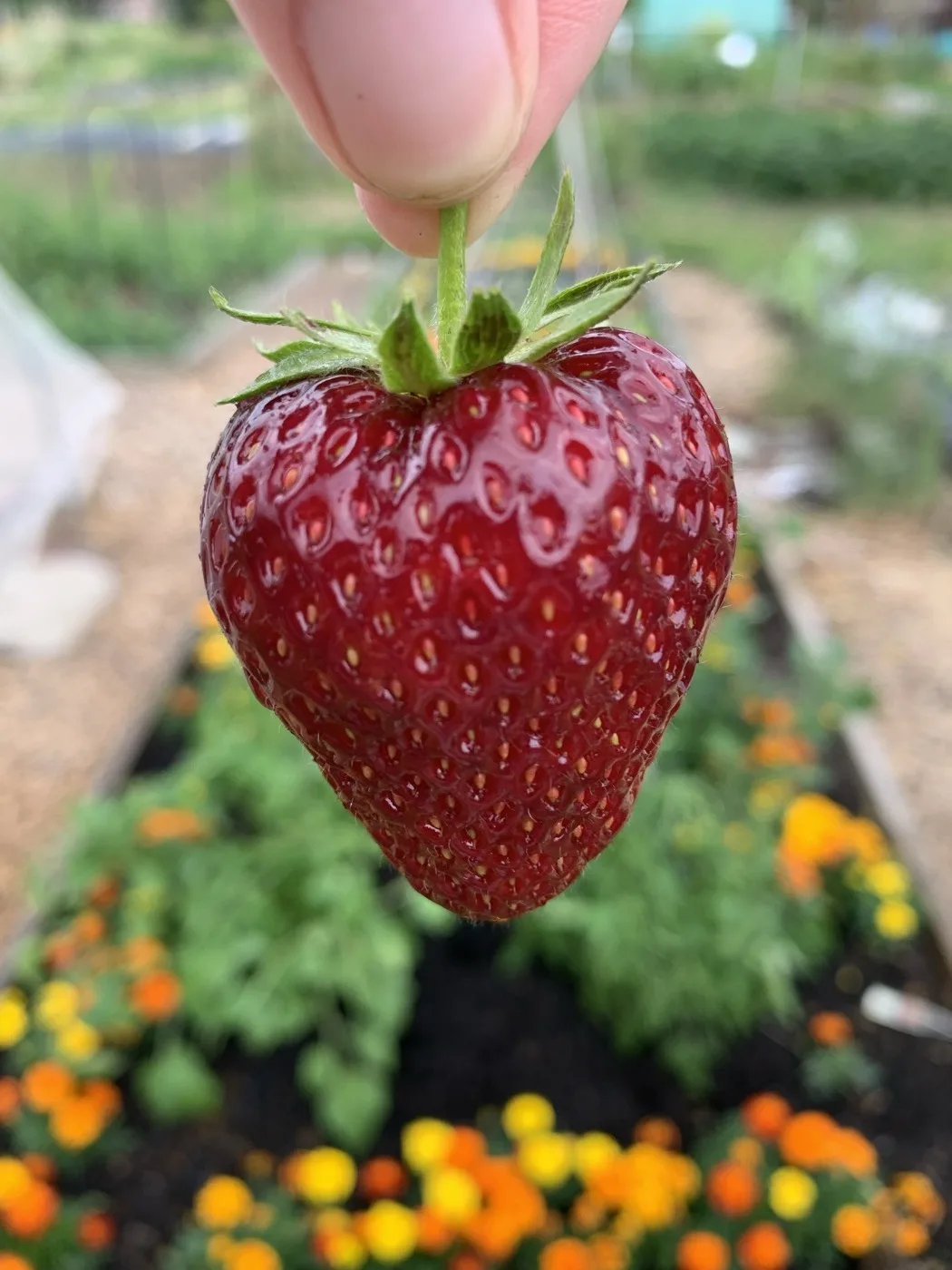
If you only grow one fruit, make it strawberries. Plant runners in spring and you will be eating your own strawberries by June. The flavour of a sun-warmed strawberry picked straight from the plant is genuinely life-changing if you have only ever eaten supermarket ones.
I planted mine in a raised bed with straw mulch underneath to keep the fruit clean. Within three months I was picking a punnet every few days. By midsummer I was giving them away.
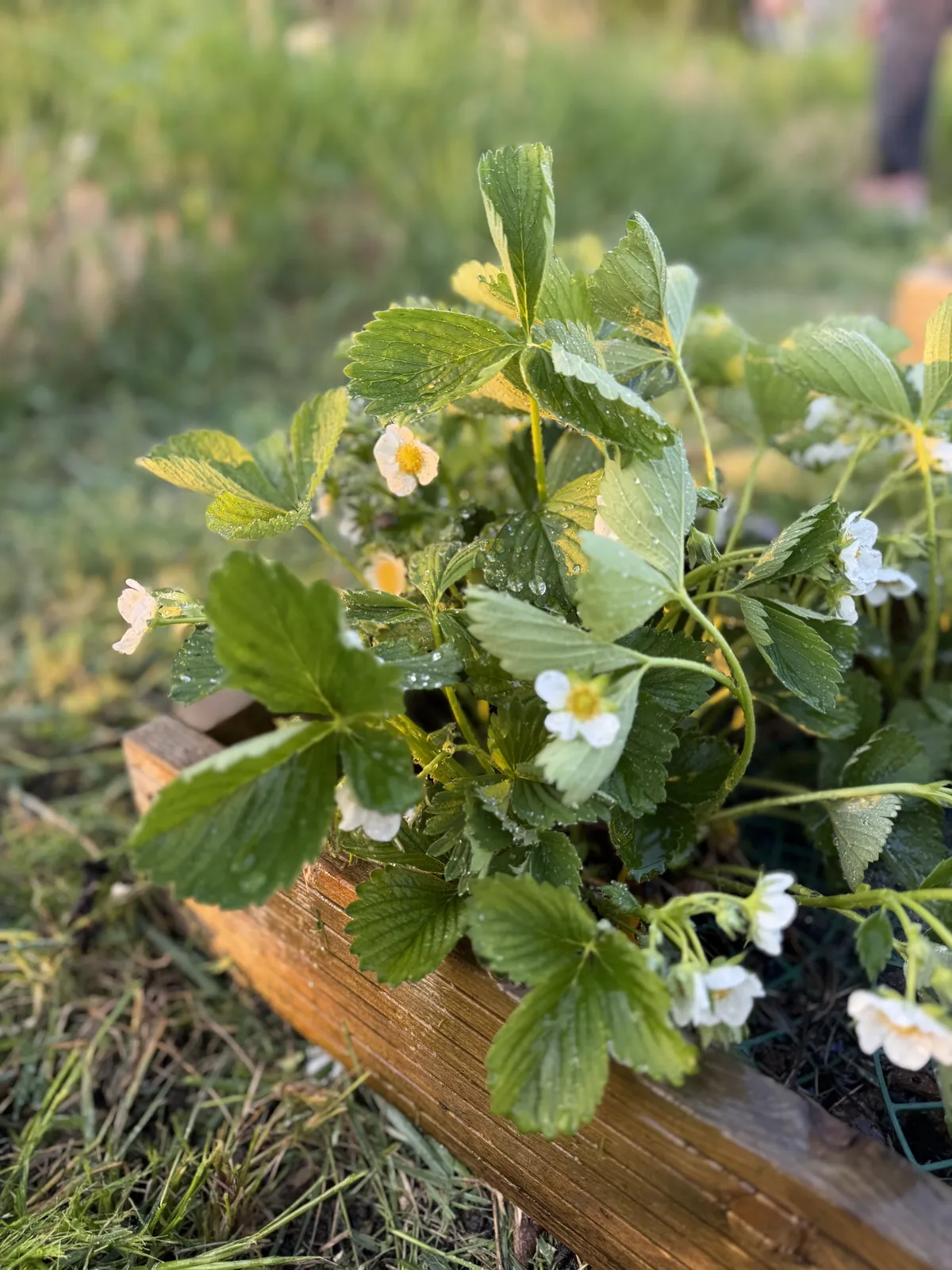
The key things to get right: full sun, decent soil with compost worked in, regular watering when the fruit is forming, and netting. The netting is non-negotiable — birds will eat every ripe berry before you get to them.
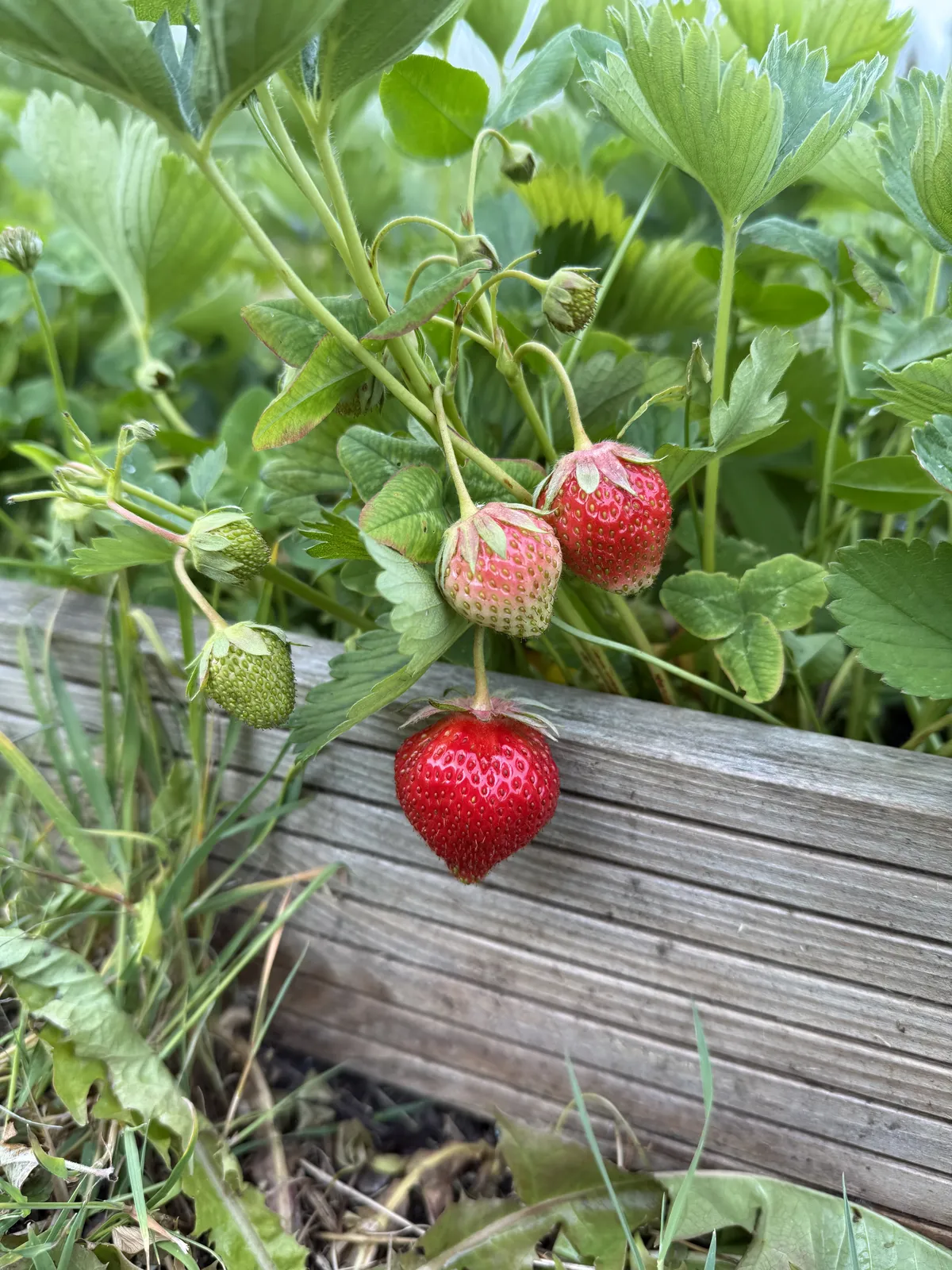
Grow an everbearing variety like Flamenco alongside your standard June bearers. You get strawberries from June right through to October instead of a three-week glut.
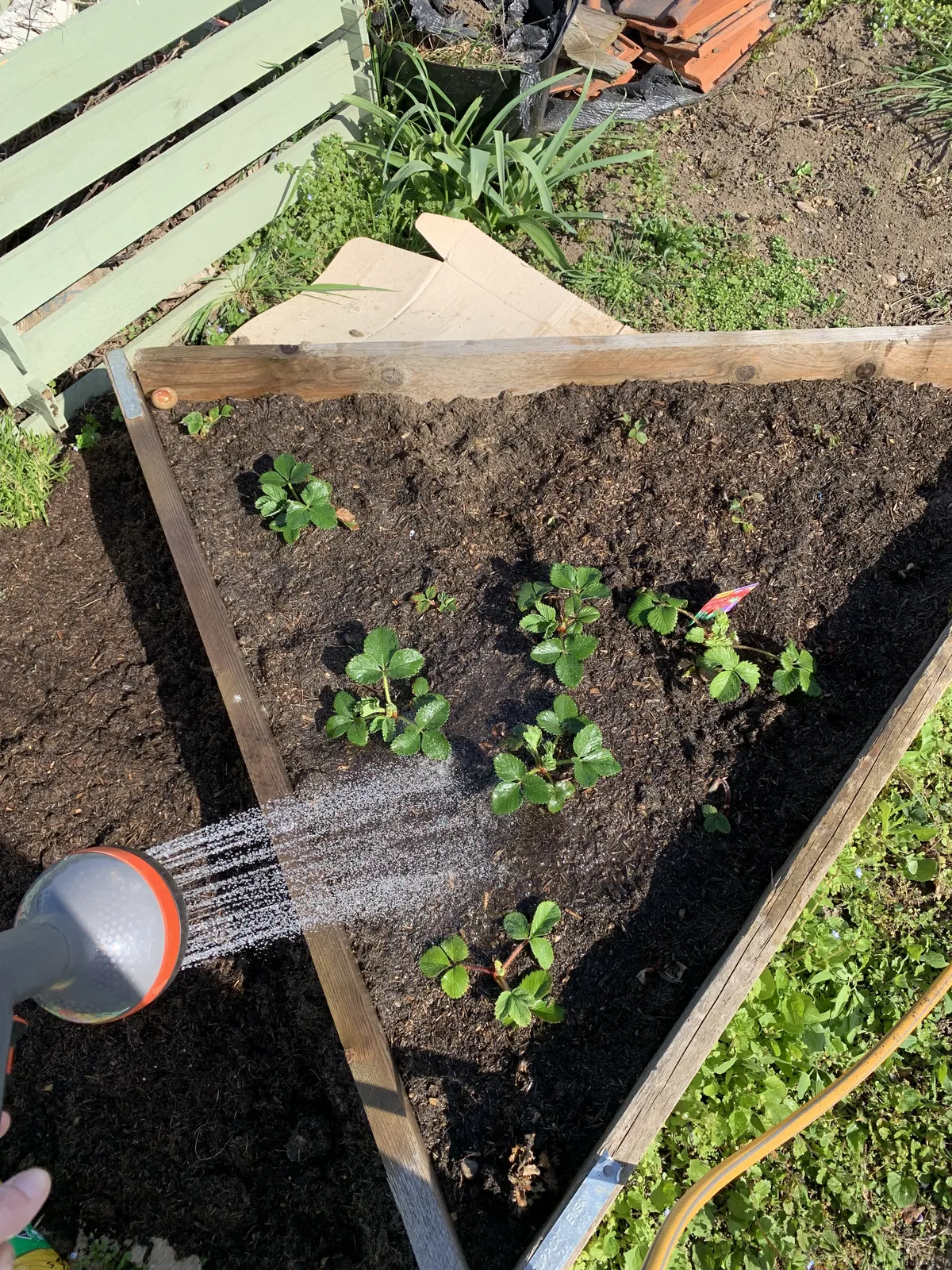
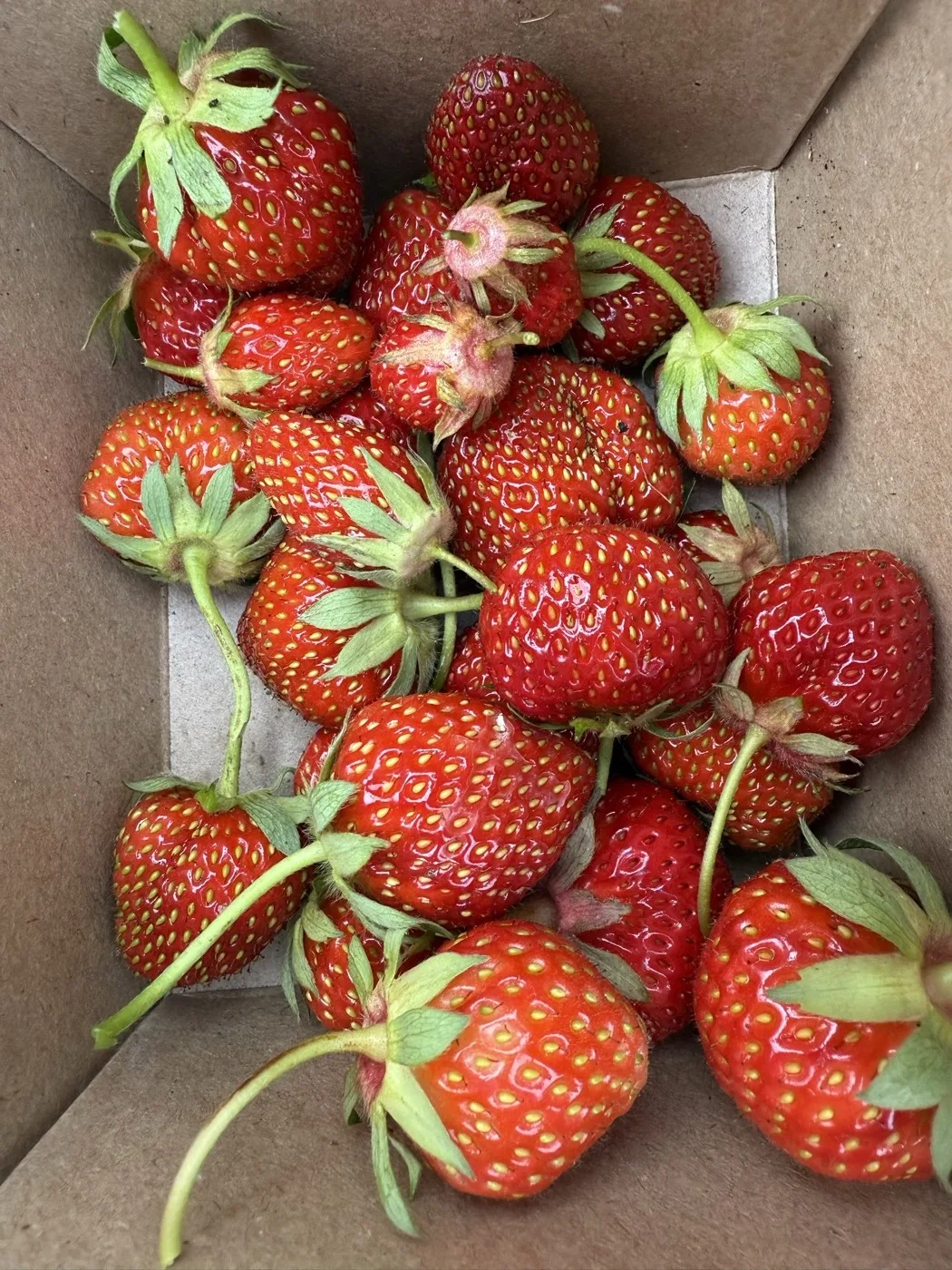
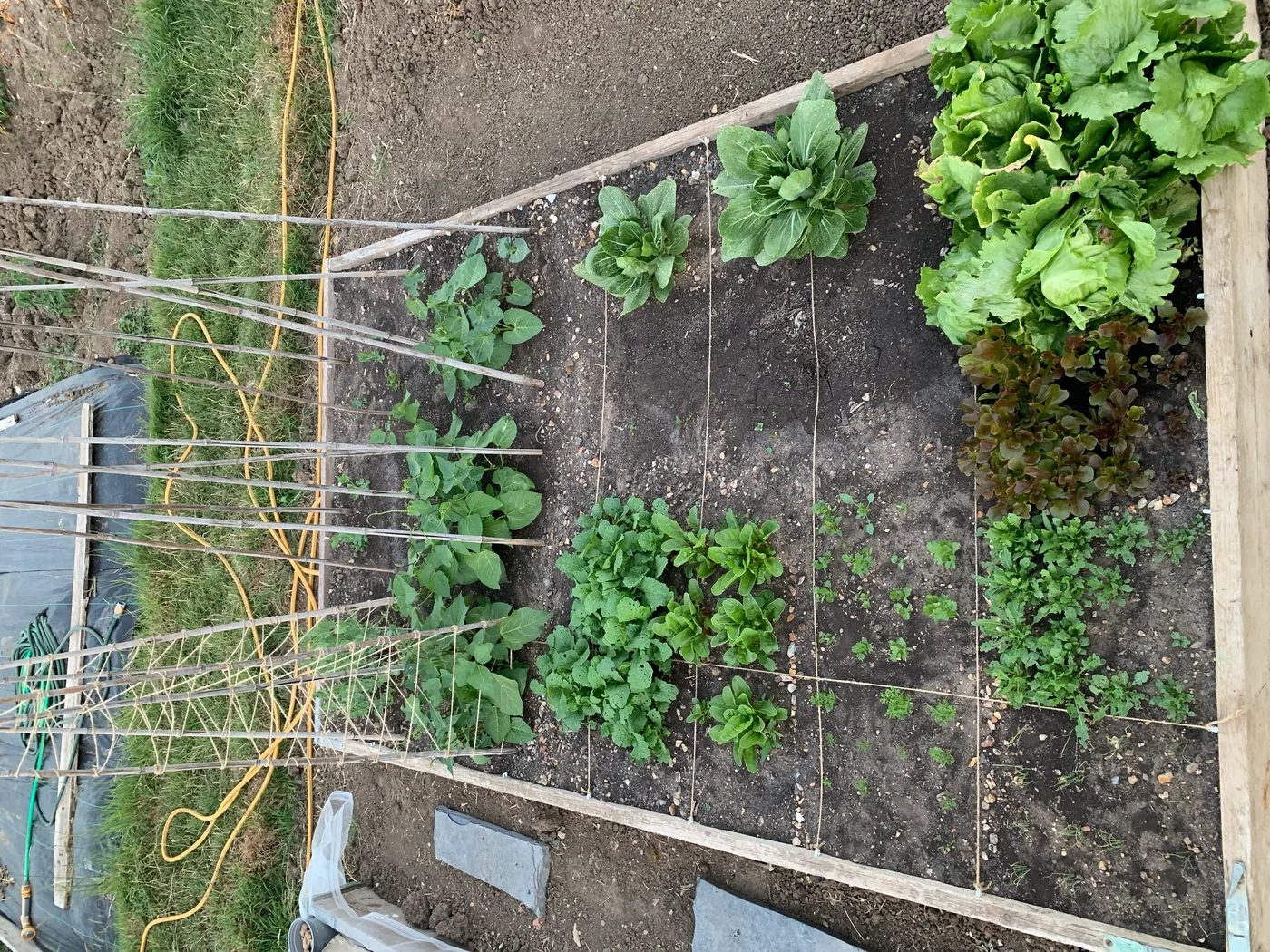
Ours have earned their keep three summers running now. The bed went in as runners in spring 2023, watered in with the hose while most of the plot around it was still bare soil. The next summer it was throwing out properly big berries, and by last year we were carrying boxes of them home with plenty still ripening on the plants.
Raspberries: the best value fruit
Ten raspberry canes cost about fifteen pounds bare-root and will produce ten to fifteen kilograms of raspberries every year for a decade. That is an extraordinary return.
The trick is understanding the difference between summer and autumn varieties. Summer raspberries (like Glen Ample) fruit on last year's canes — you tie them in and cut out the fruited ones after harvest. Autumn raspberries (like Autumn Bliss) fruit on this year's growth — you just cut everything to the ground in February. Autumn varieties are much easier for beginners.
The taste of a freshly picked raspberry is extraordinary. Soft, fragrant, almost floral — nothing like the firm, slightly sour things in supermarket punnets.
Rhubarb: plant it and forget it
Rhubarb is the most forgiving thing on any allotment. Plant a crown in winter, resist the urge to harvest in the first year, and from year two onwards you will have more rhubarb than you know what to do with. It comes back every spring without any help from you.
One crown takes up about a square metre and produces enough stalks for crumbles, fools, jam, and cordial. It will last for decades. The only maintenance is a mulch of manure in autumn and pulling (never cutting) the stalks between April and June.
Blackcurrants and gooseberries
These are the unsung heroes of the allotment fruit garden. A single blackcurrant bush produces four to five kilograms of berries — enough for cordial, jam, and crumbles all year. Gooseberries are criminally underrated — pick them green for cooking or leave them to ripen into sweet, golden dessert berries.
Both are tough, long-lived (twenty years or more), and suited to the UK climate. They are bare-root plants, which means you buy them as dormant sticks between November and March for a few pounds each. By year three they are producing full crops.
Where to start
If you are starting from scratch, here is what I would plant this year:
1. Twenty strawberry runners in a raised bed — fruiting by June 2. Ten autumn raspberry canes along a fence with wire supports — fruiting by August 3. One rhubarb crown in a corner — fruiting from year two
Total cost: about thirty to forty pounds. Total effort after planting: minimal. Total reward: kilos of fruit every year for the foreseeable future.
Fruit is the best long-term investment on any allotment. Start small, get a few things established, and add more each winter when bare-root plants are available and cheap.
Get personalised dates for your postcode
Every veg patch is different. Enter your postcode and we'll work out your frost date and tell you exactly what to sow right now.
Enter your postcode